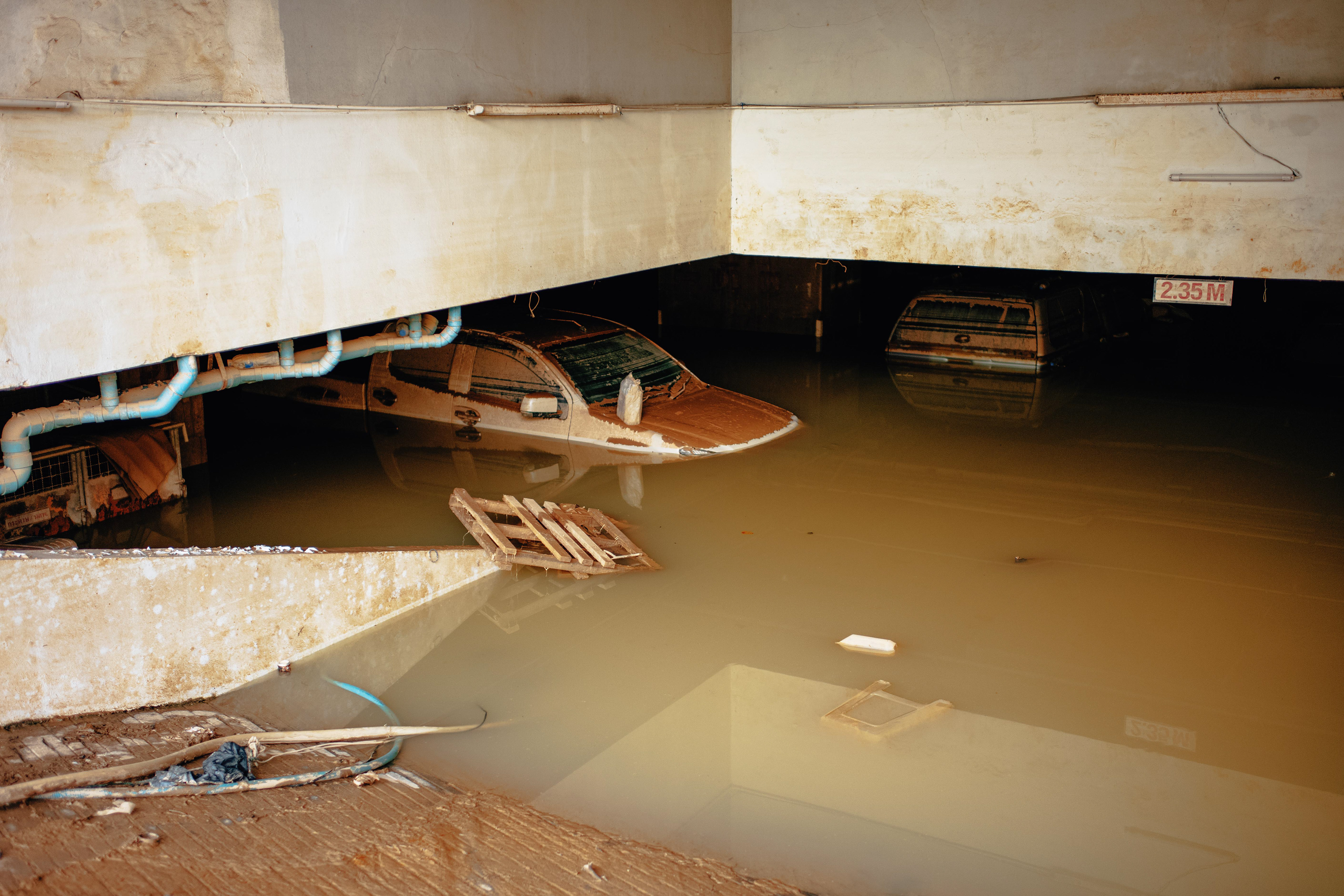
In November 2025, Southern Thailand experienced some of the worst flooding the region had seen in over two decades, with my partners hometown of Hat Yai among the hardest hit. Water levels rose as high as 5 meters in some areas, leaving my in-laws and thousands of others trapped without electricity, clean water, or food for days.
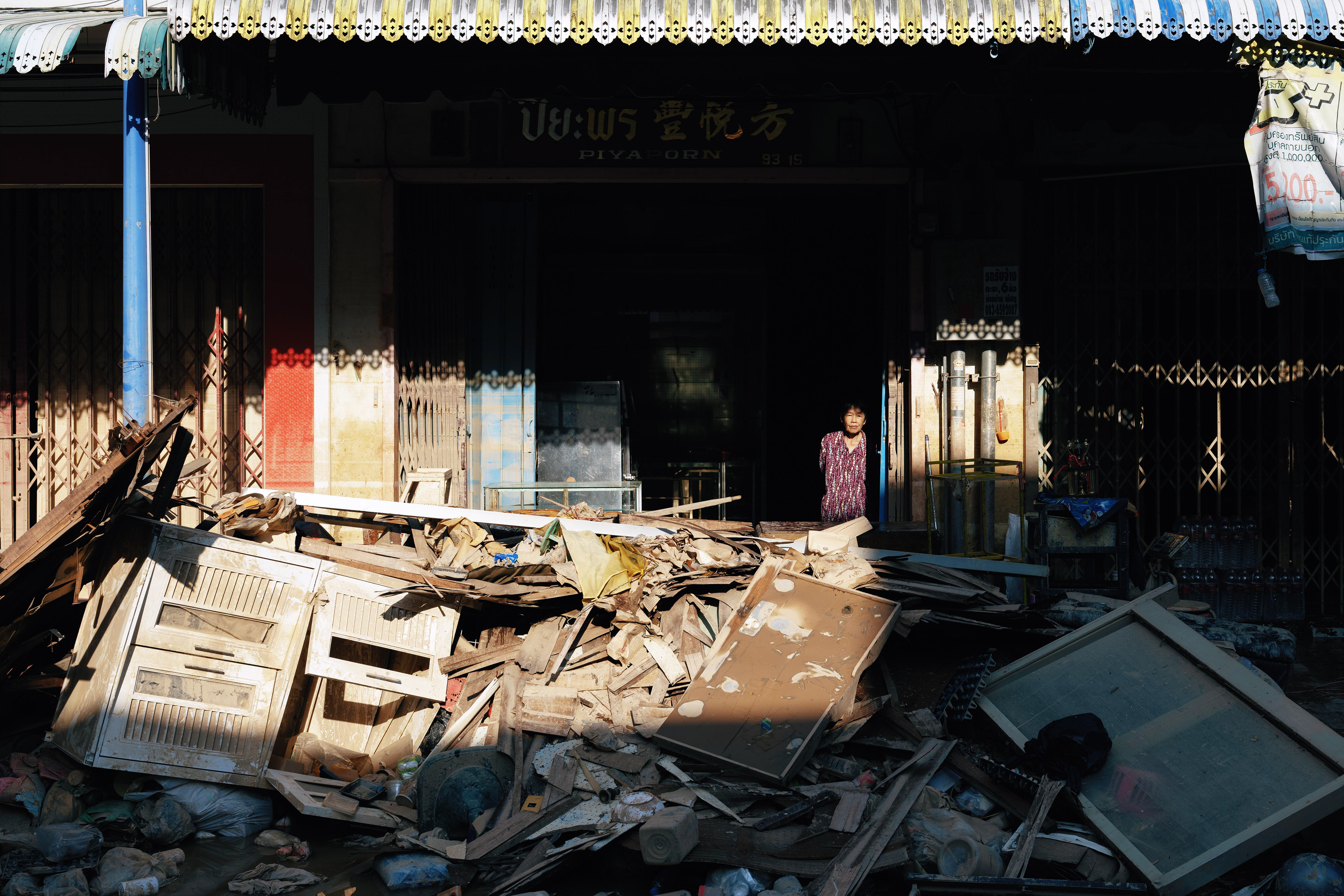
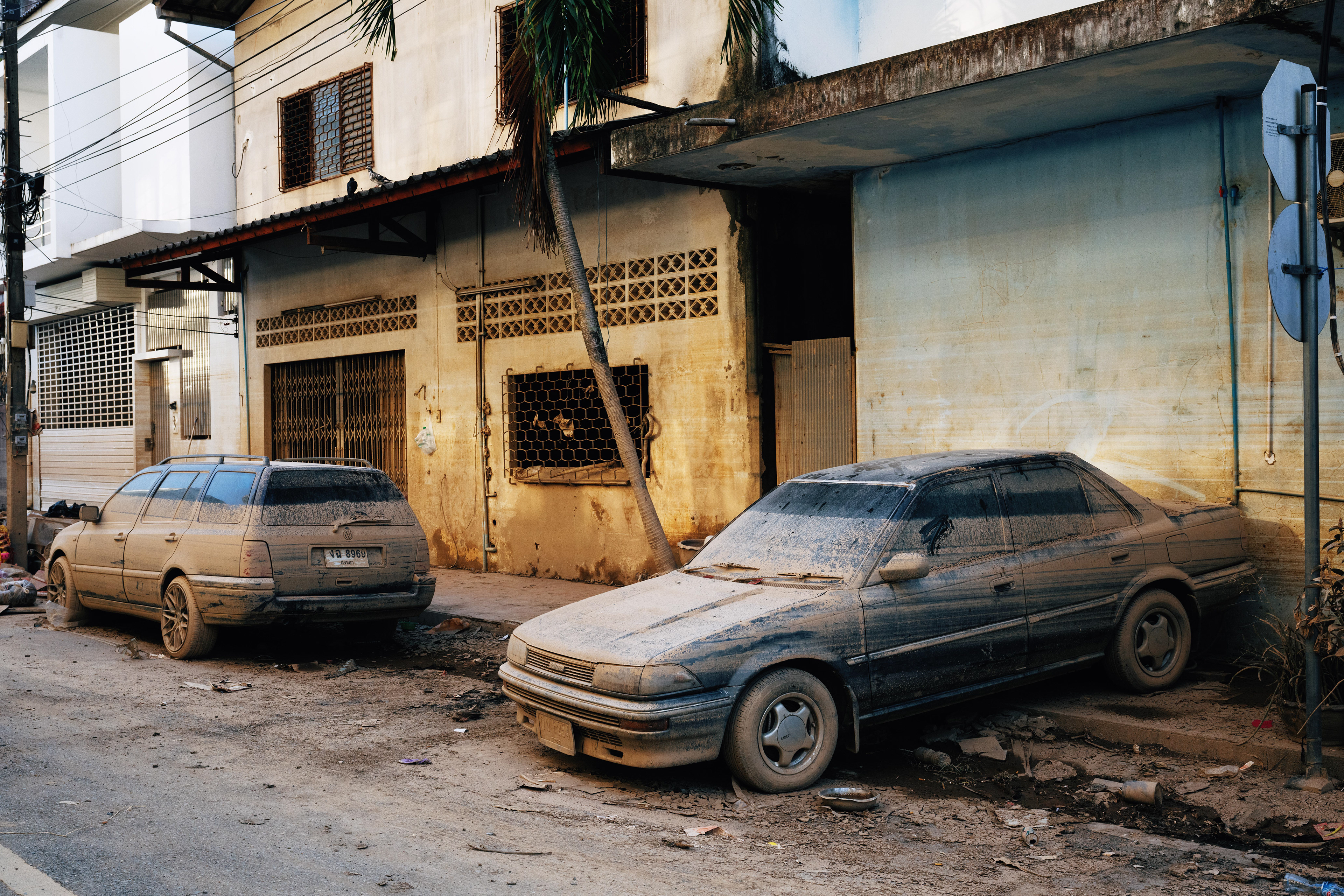
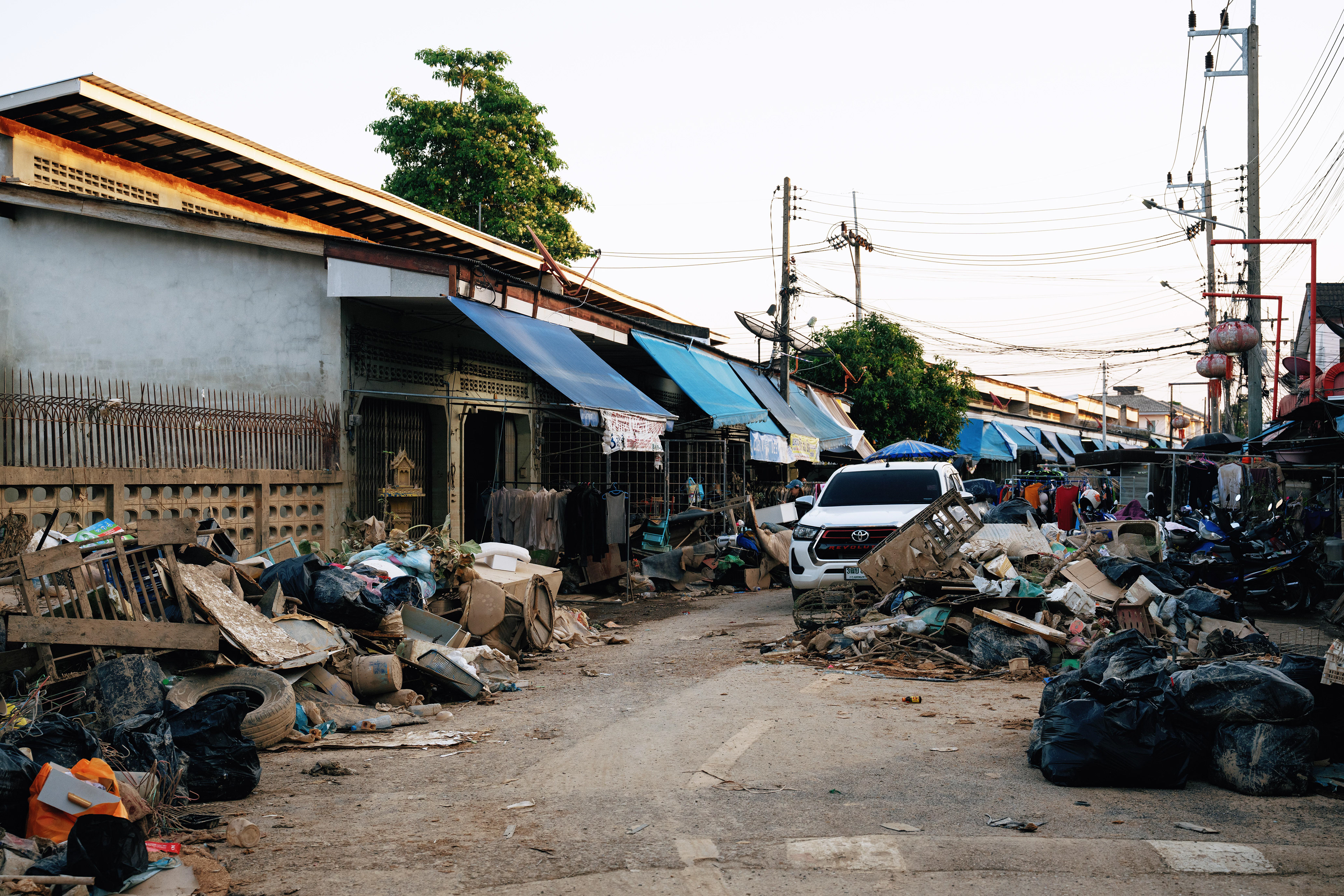
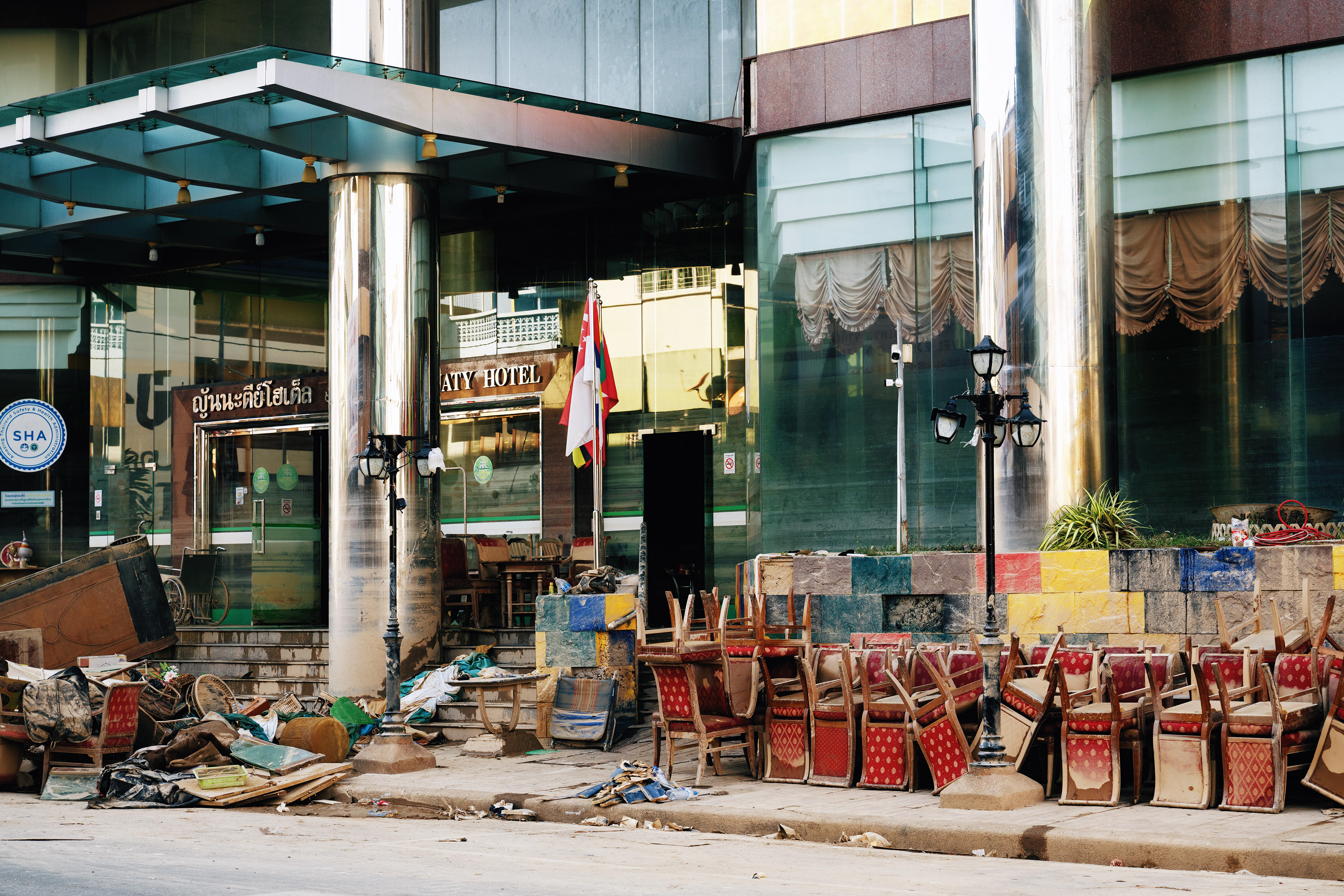
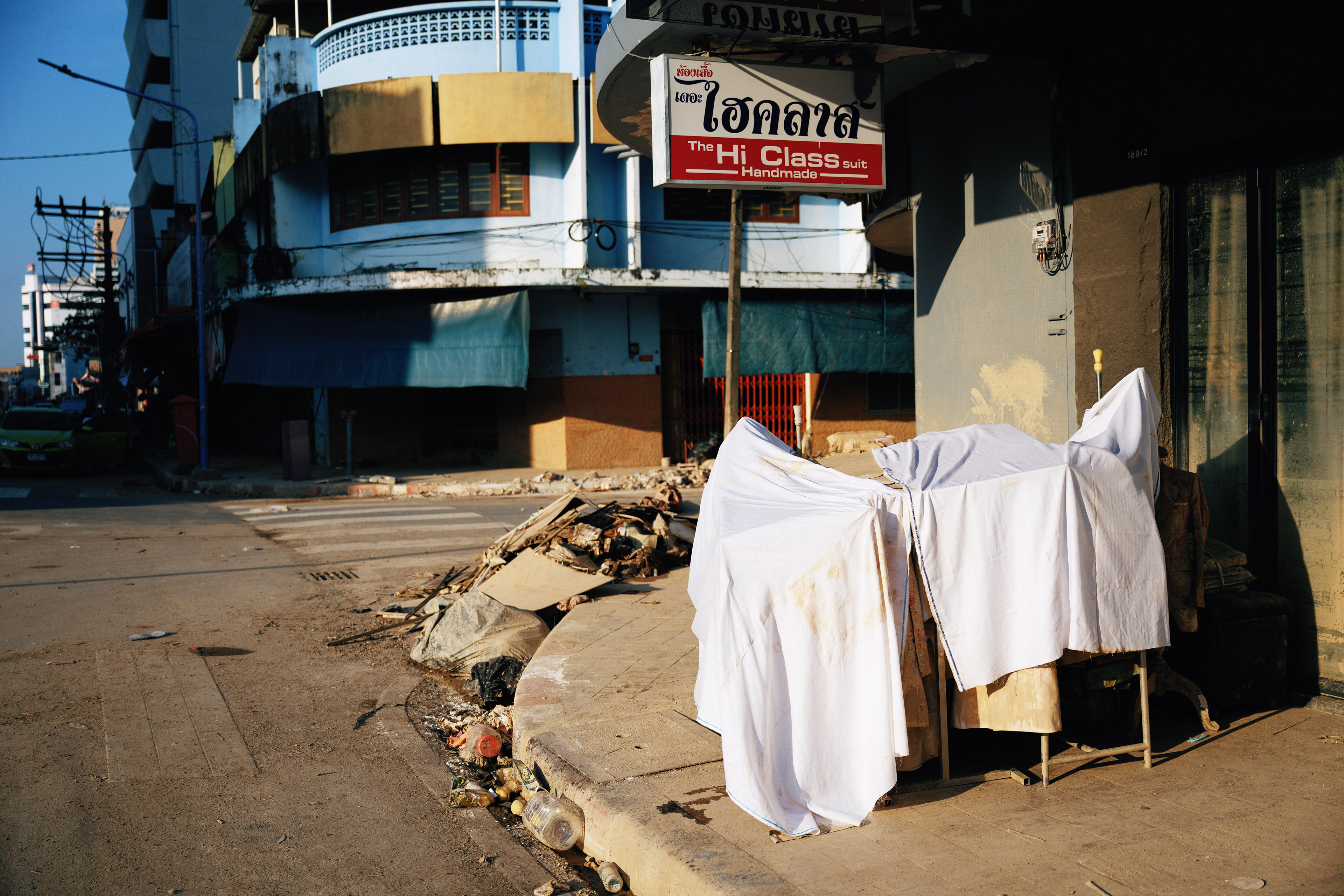
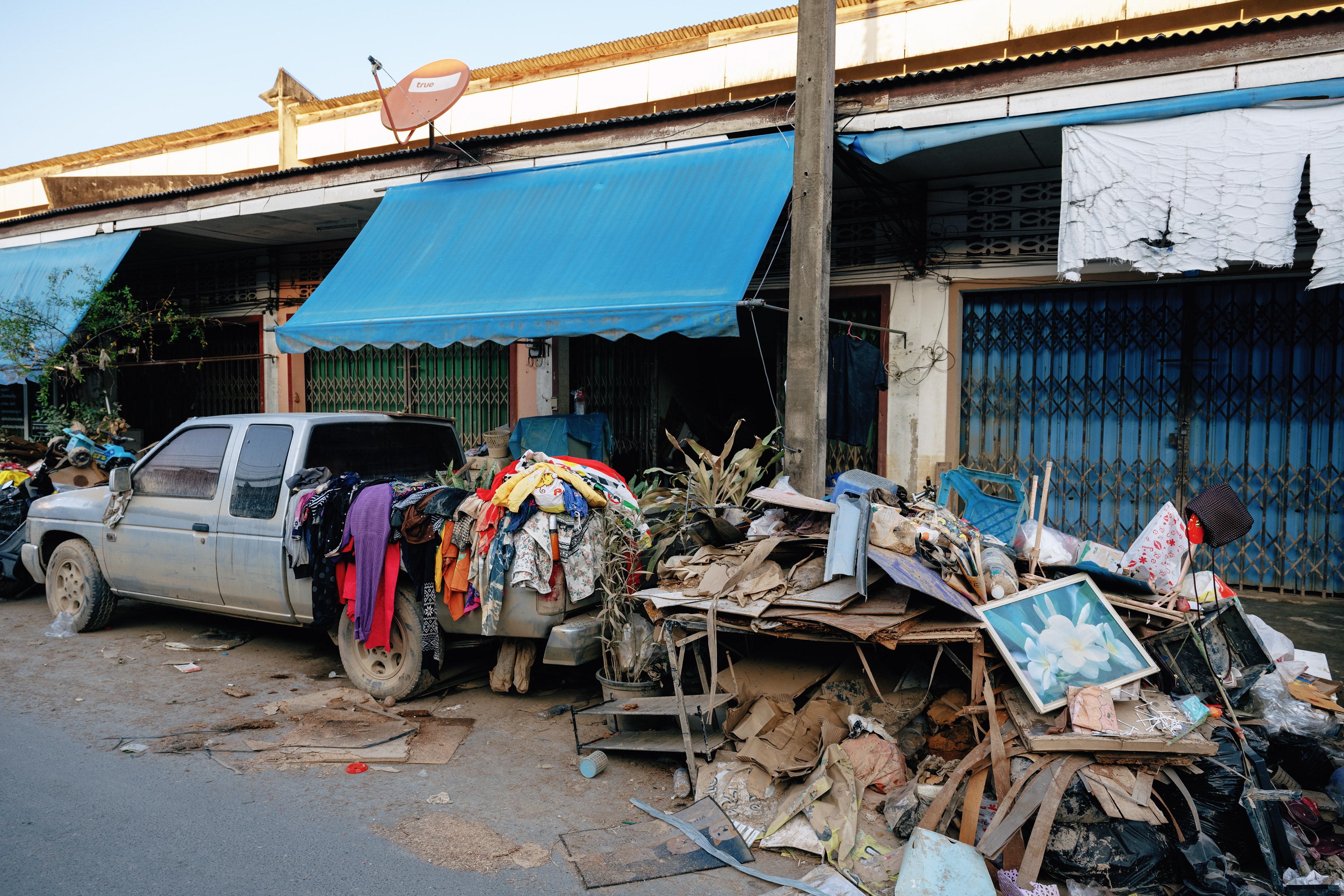
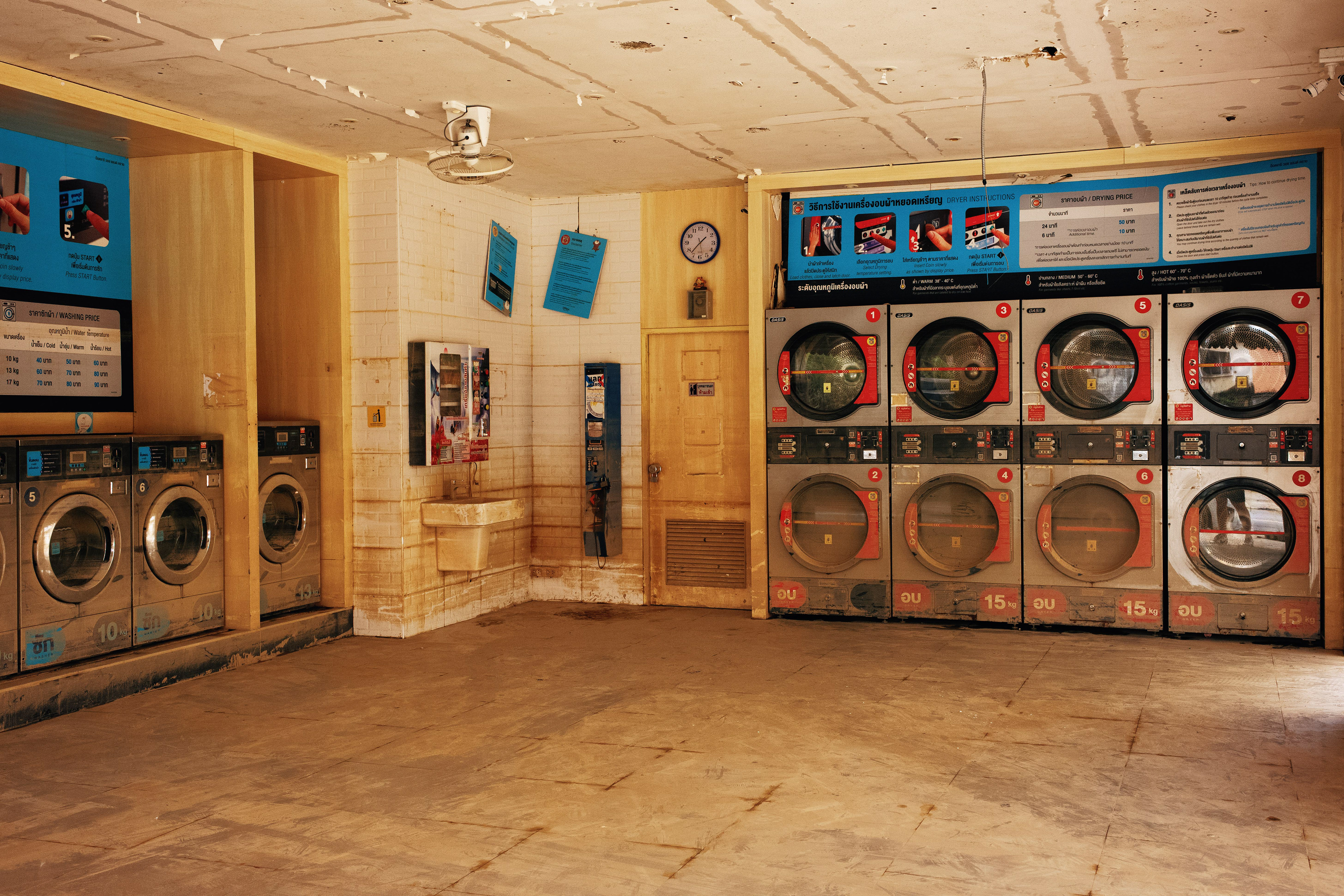
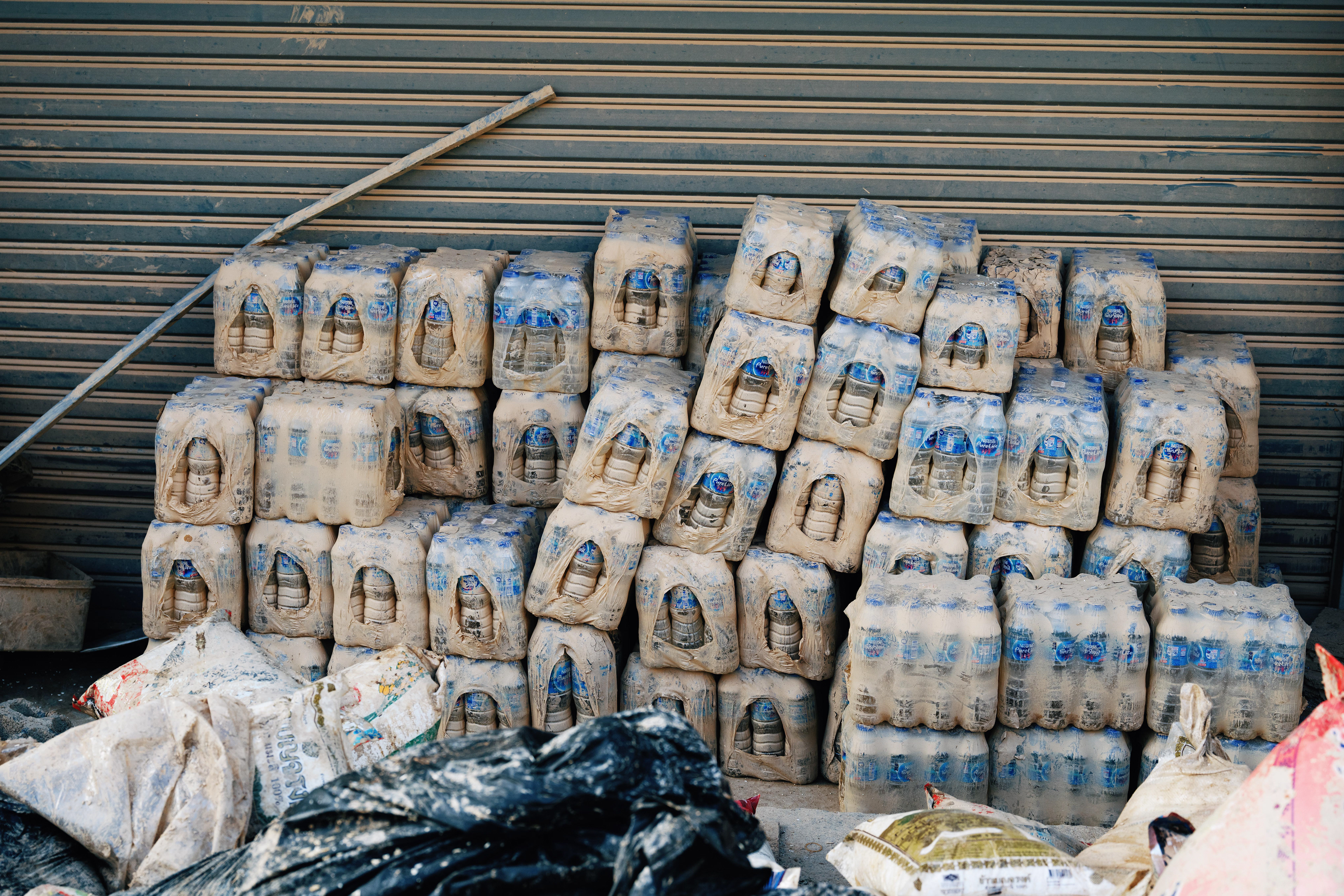
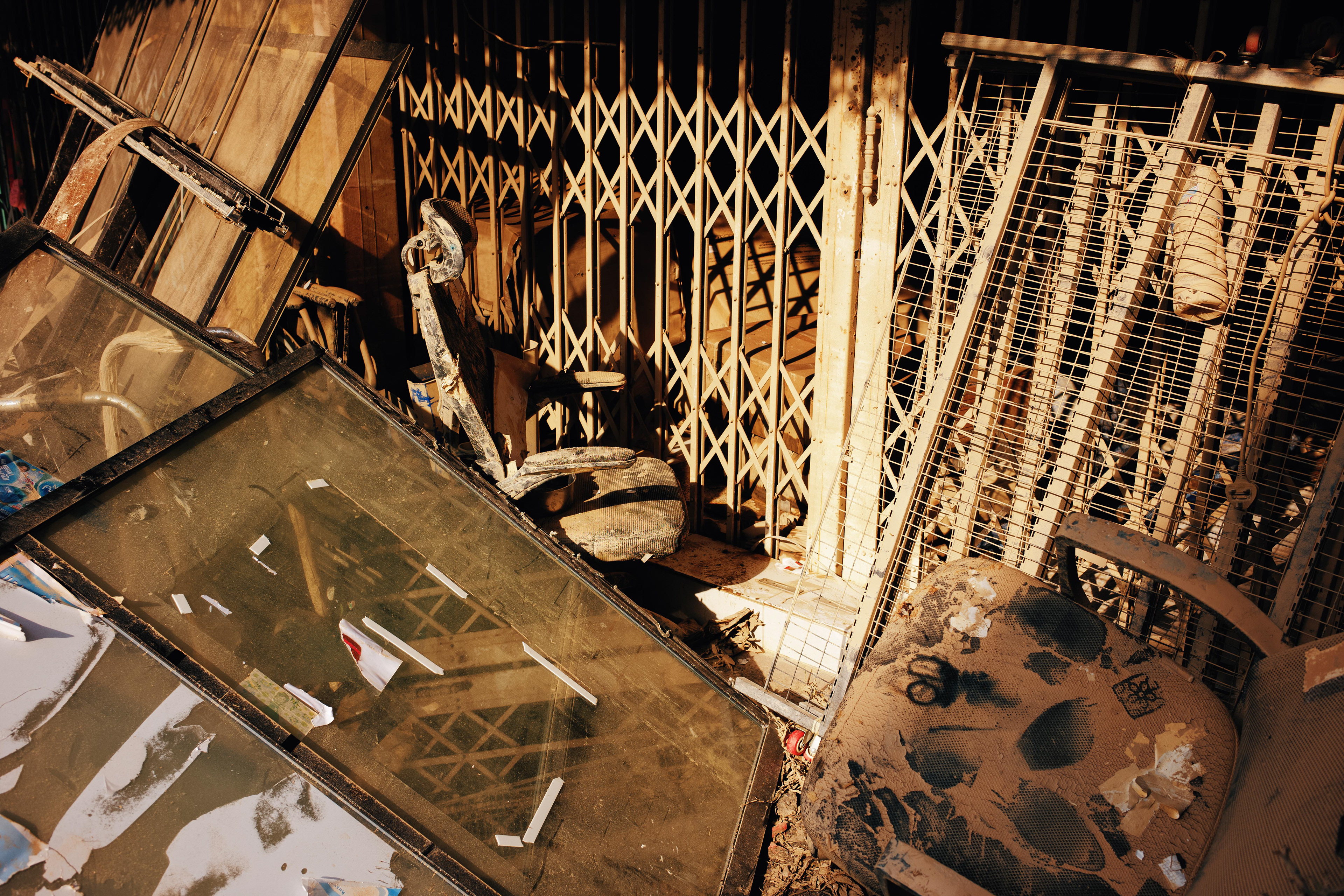
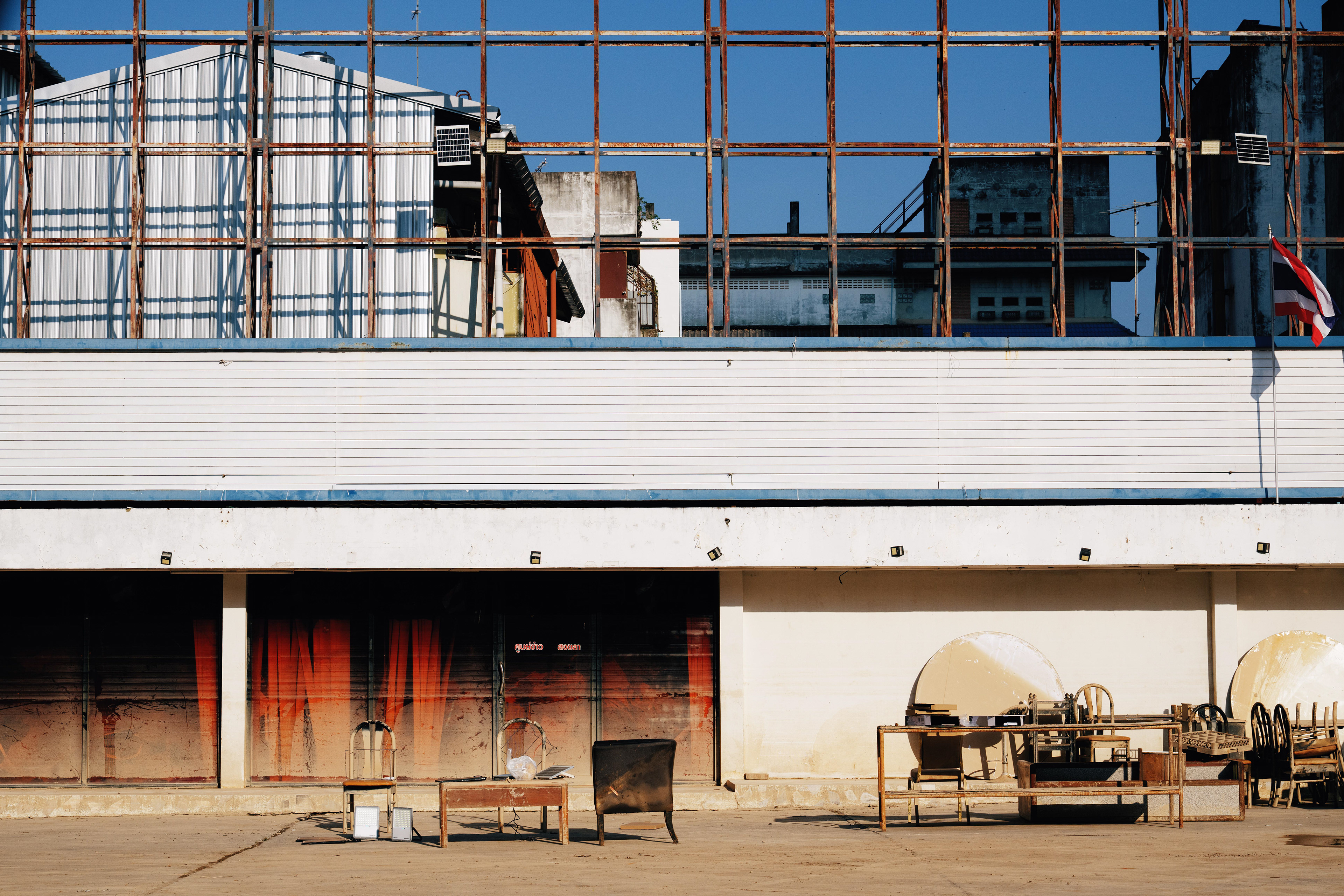
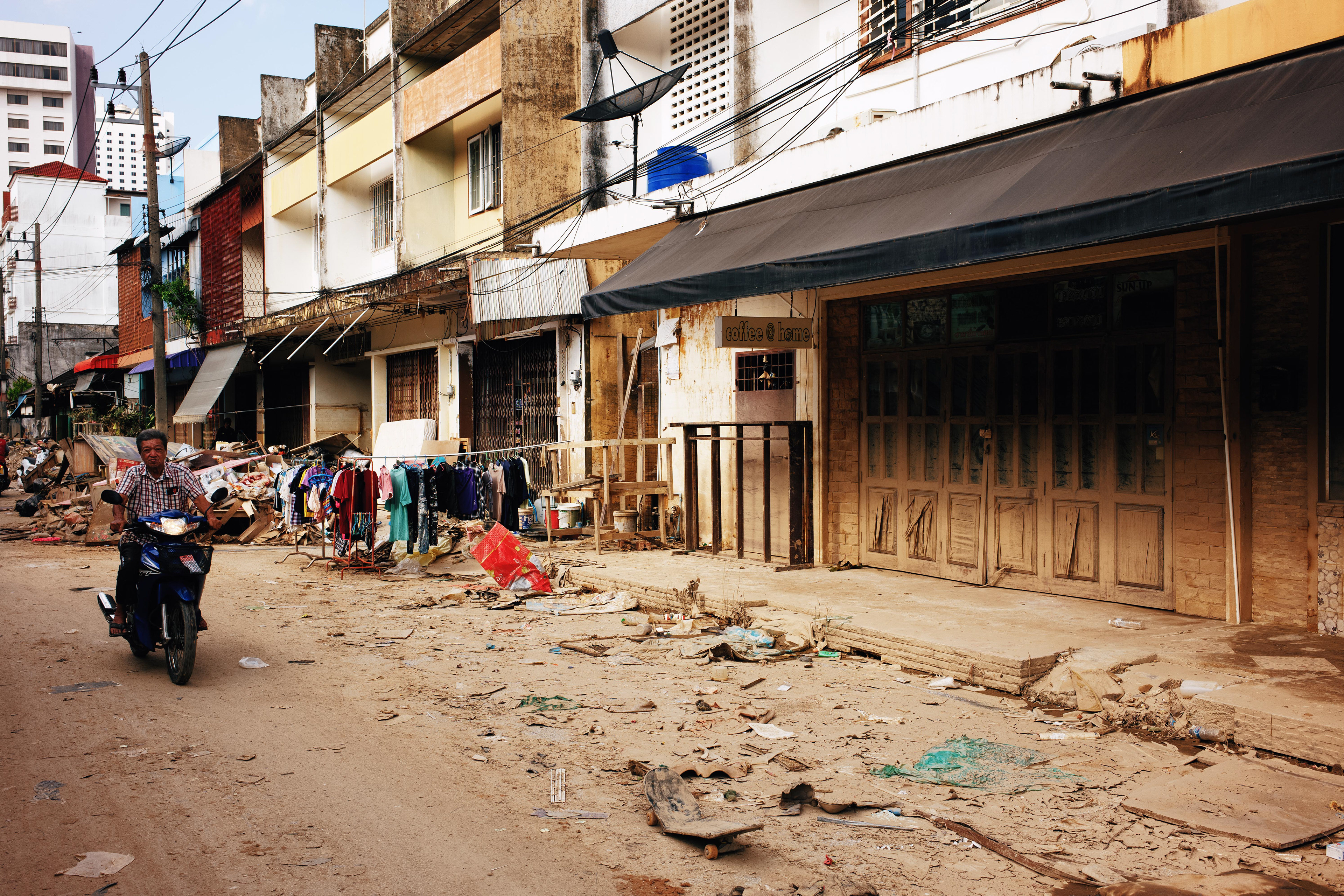
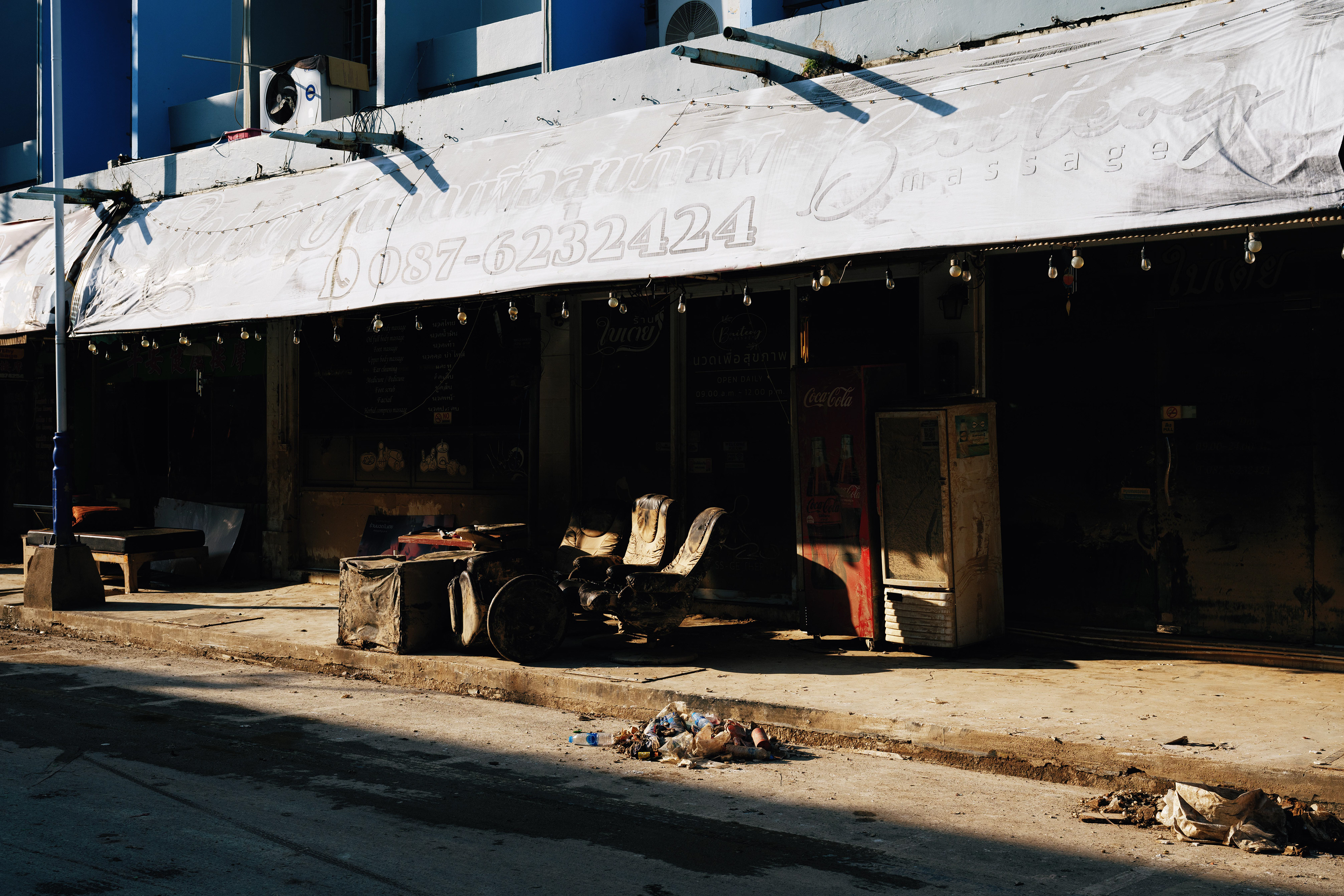
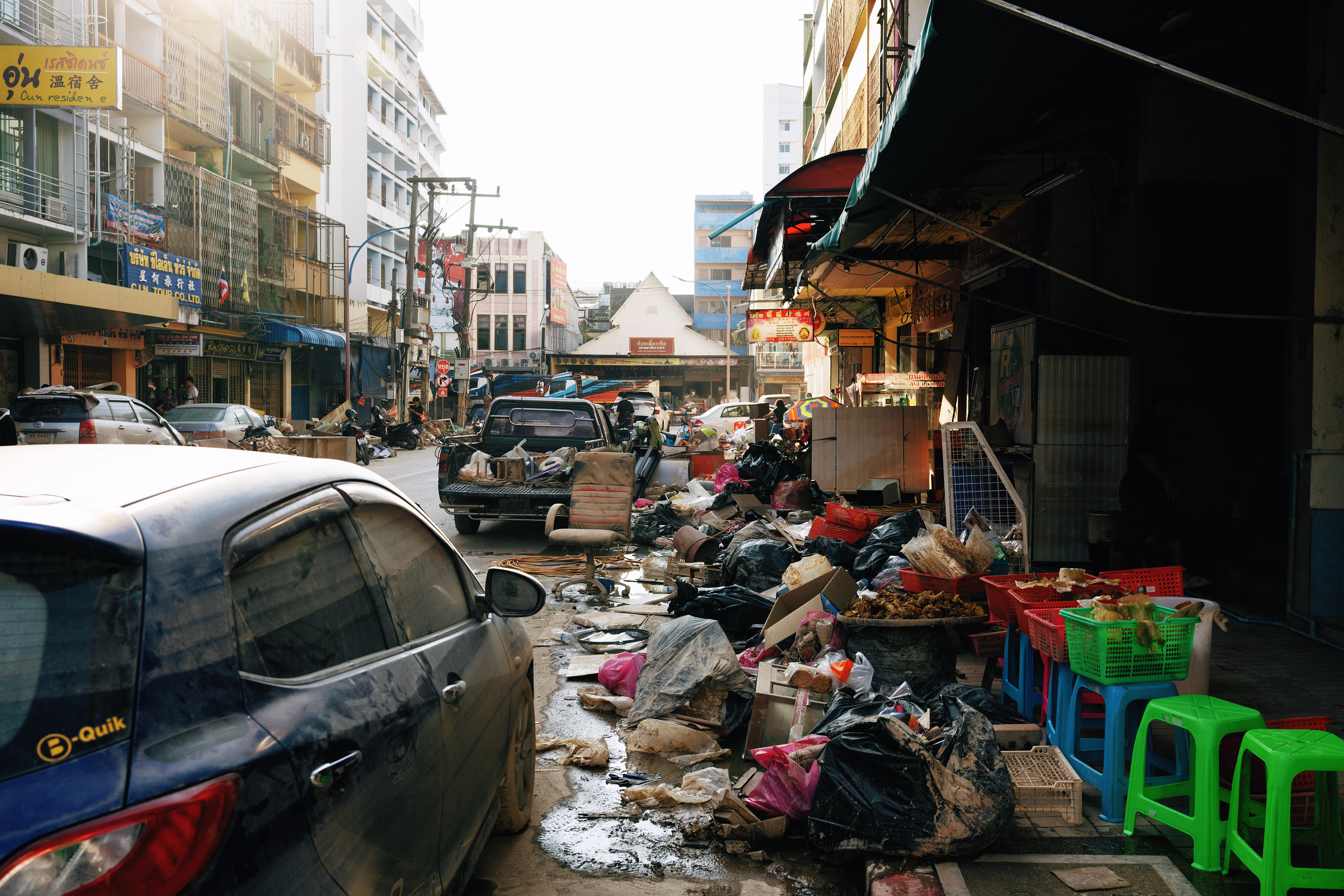
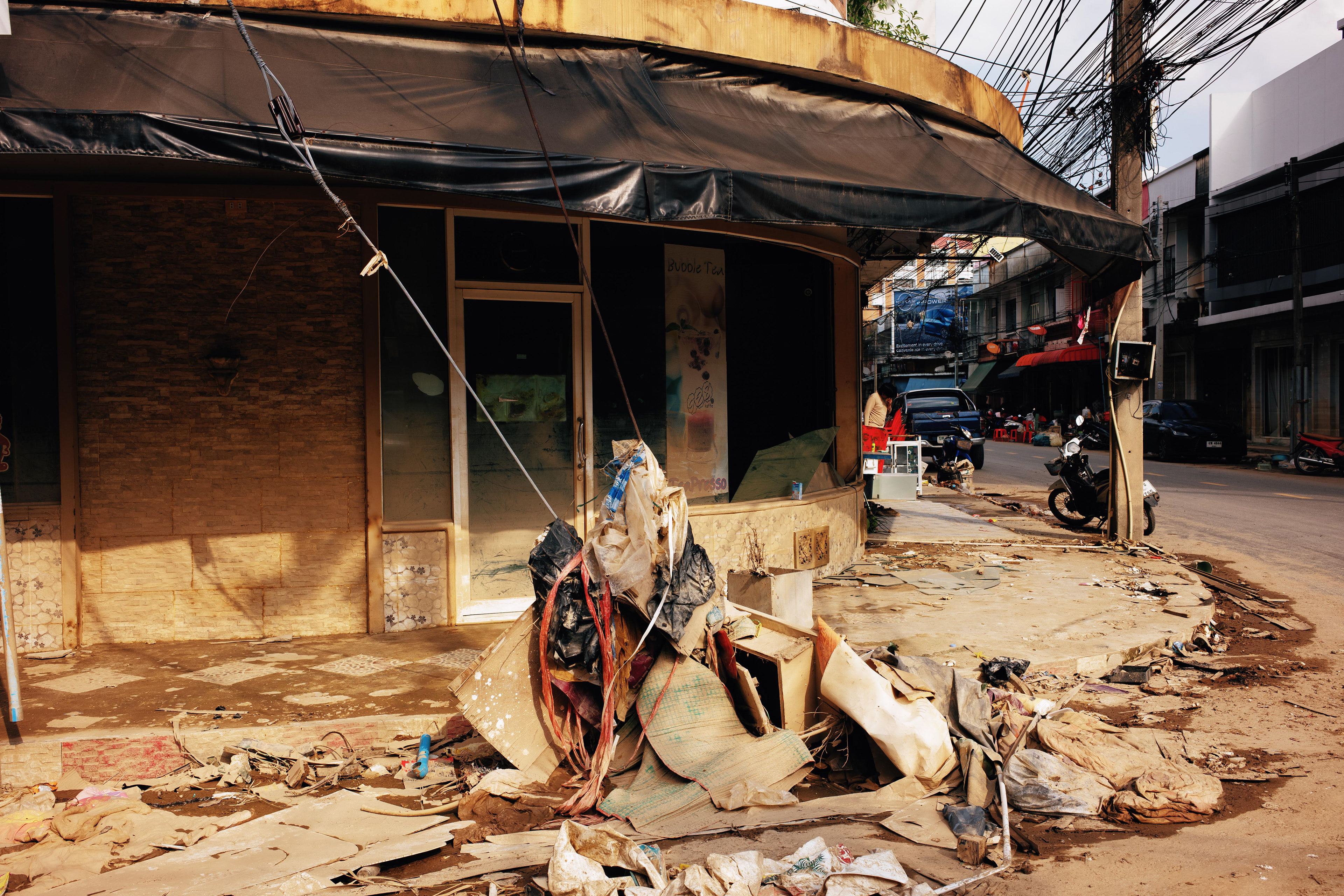
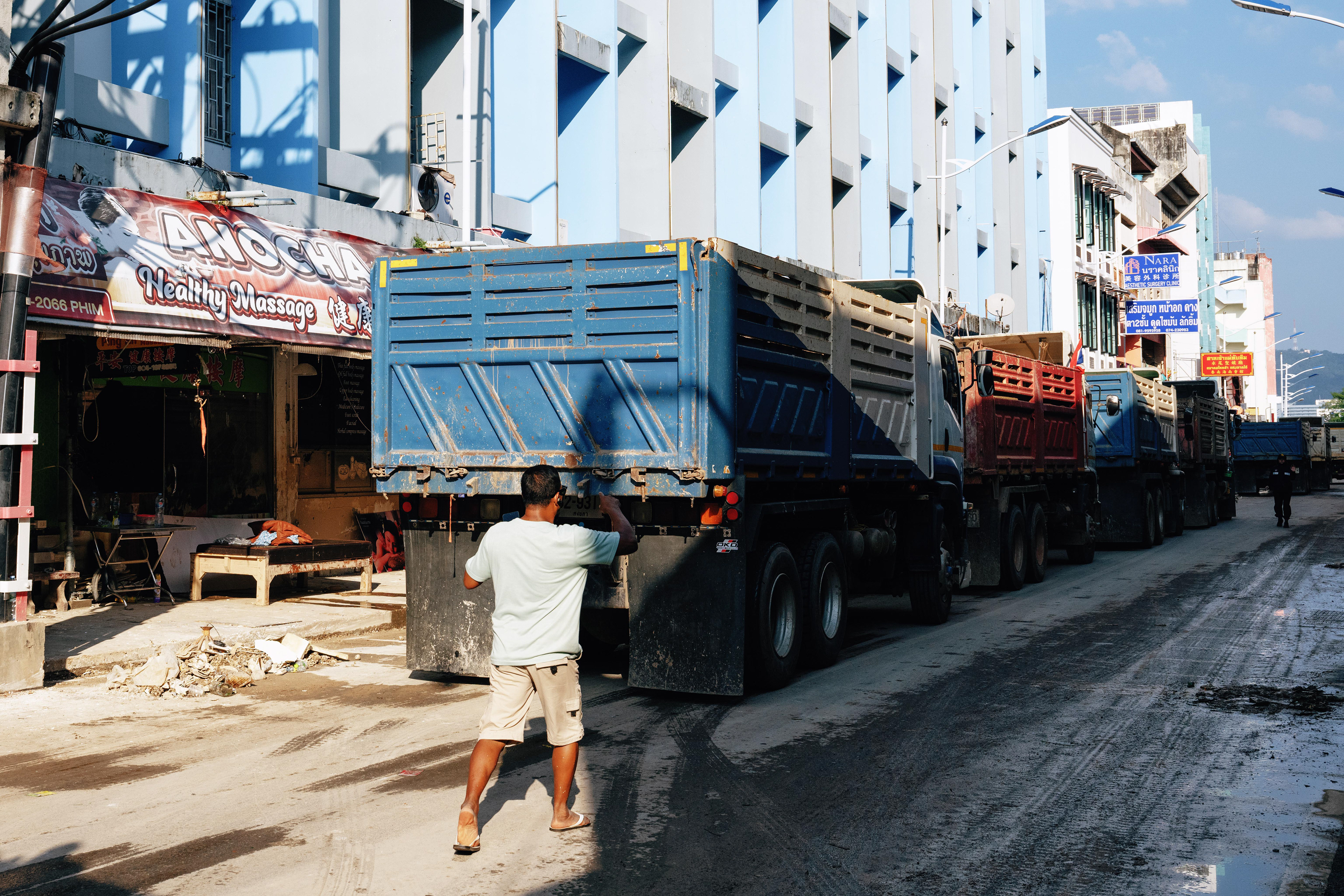
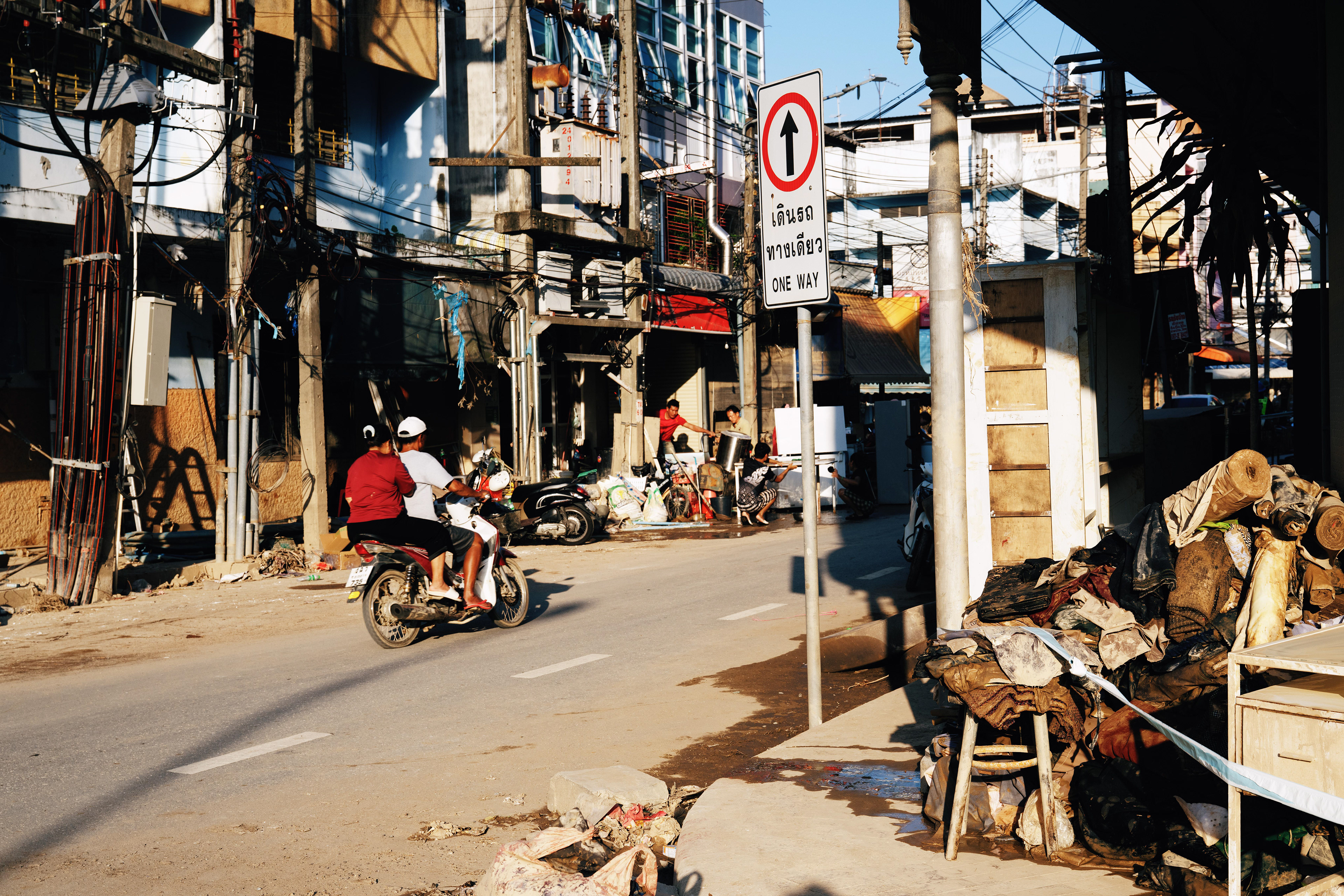
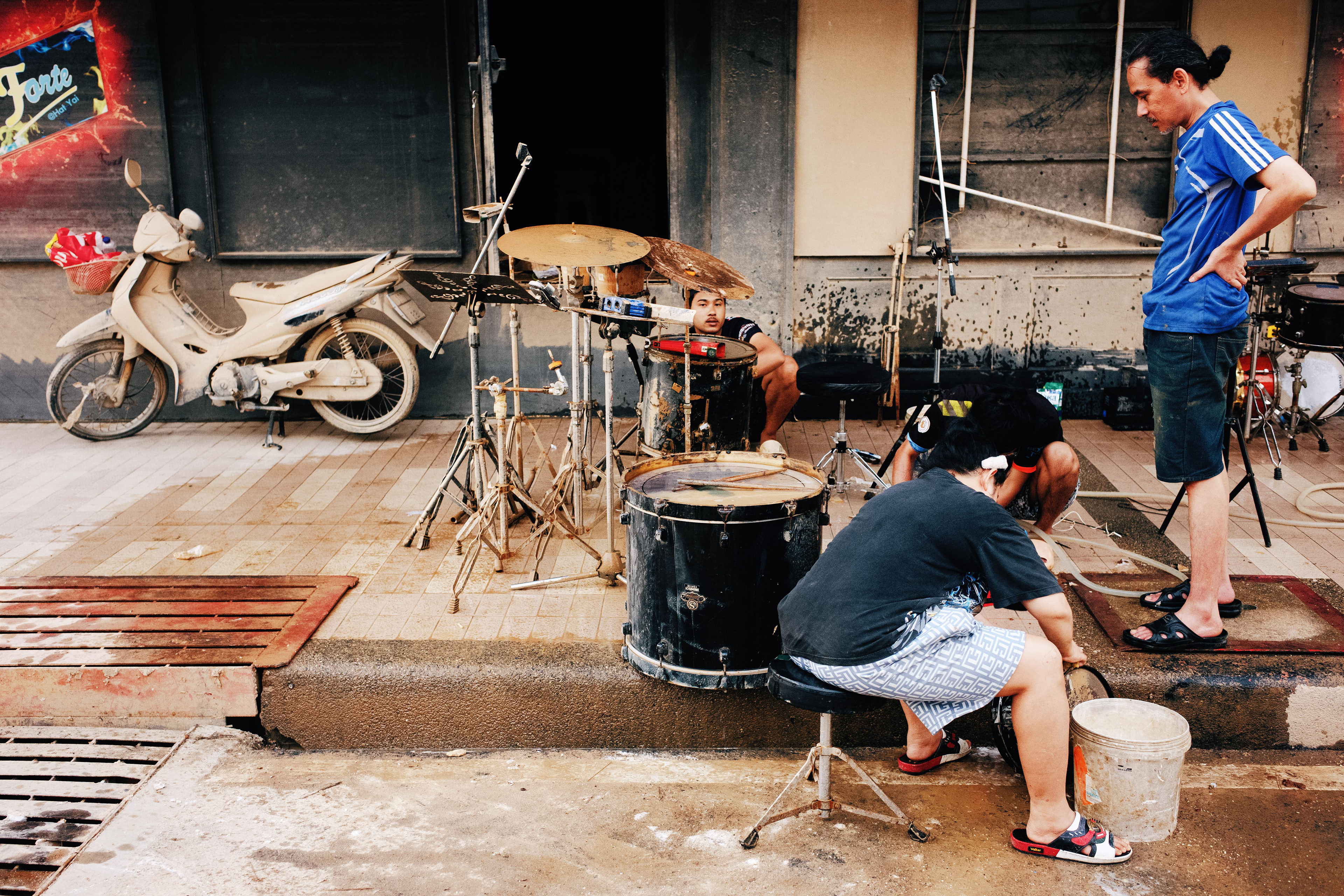
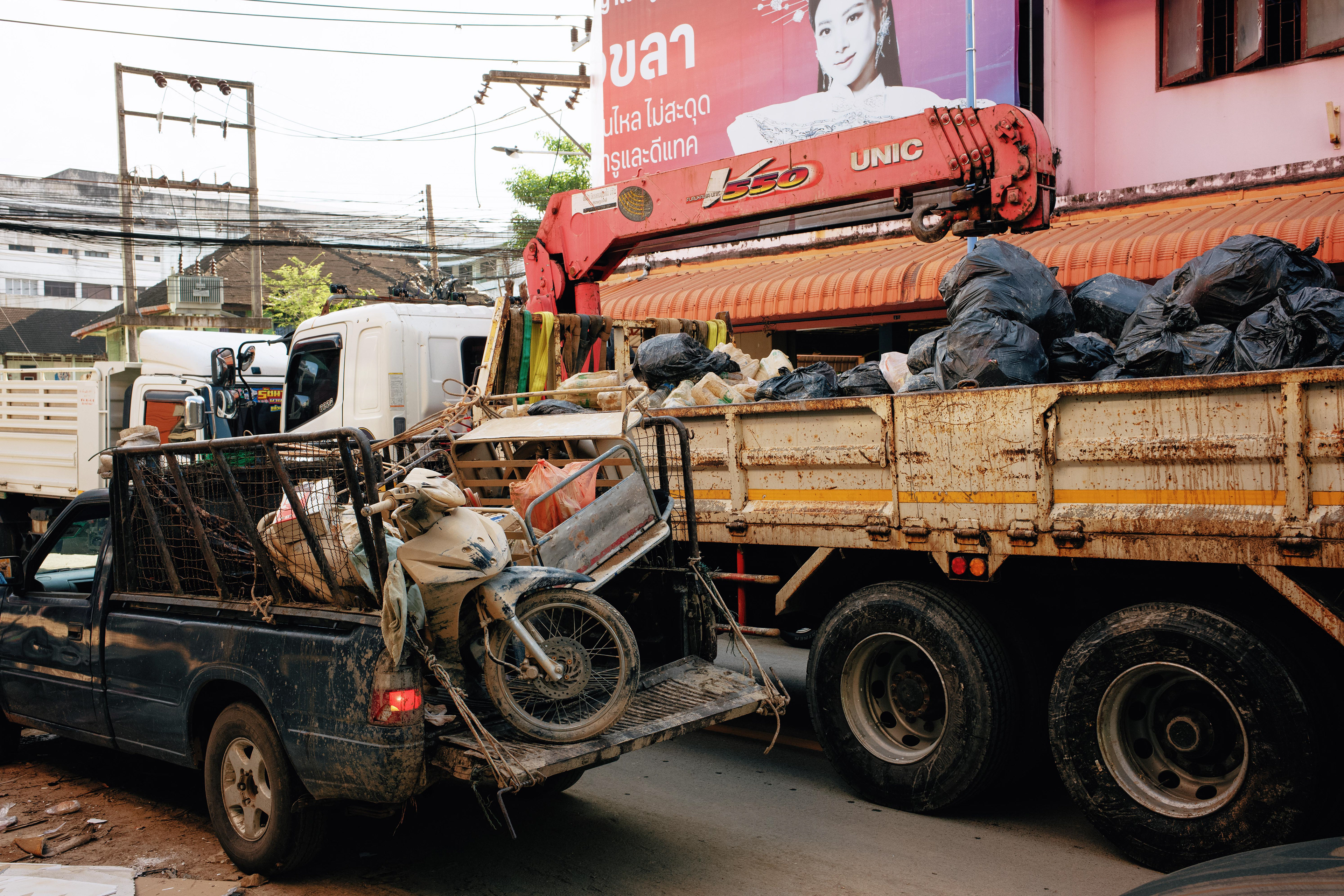
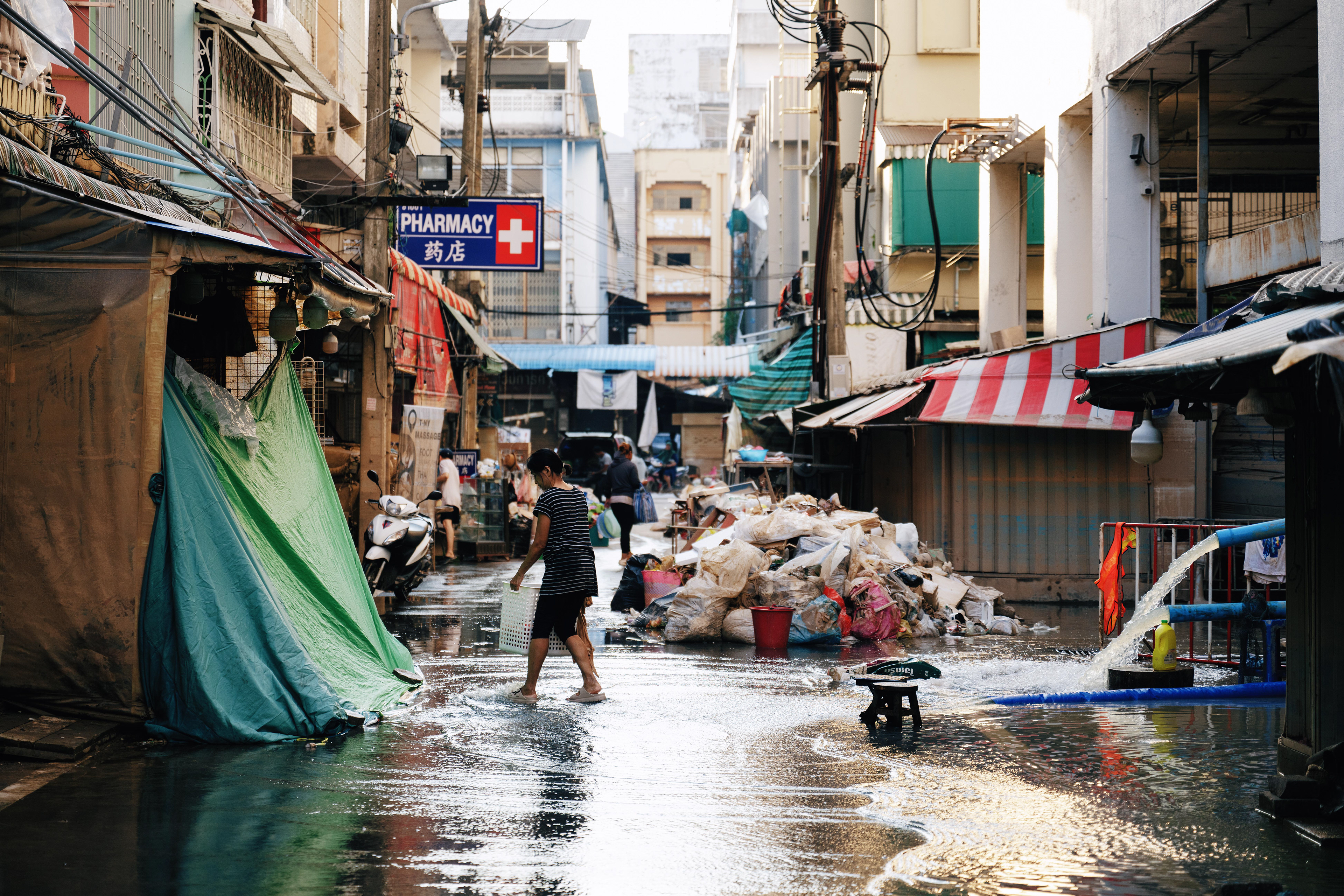
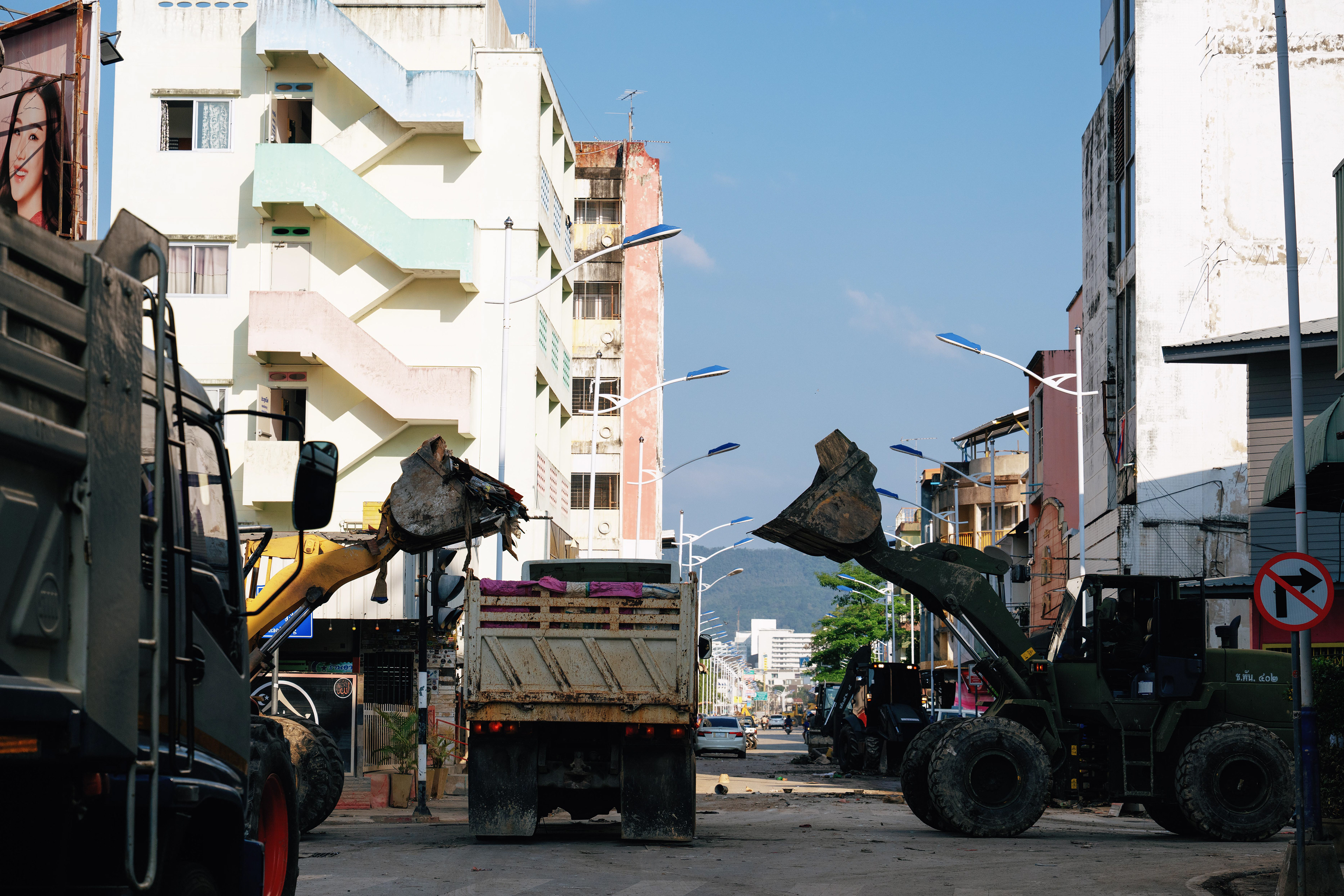
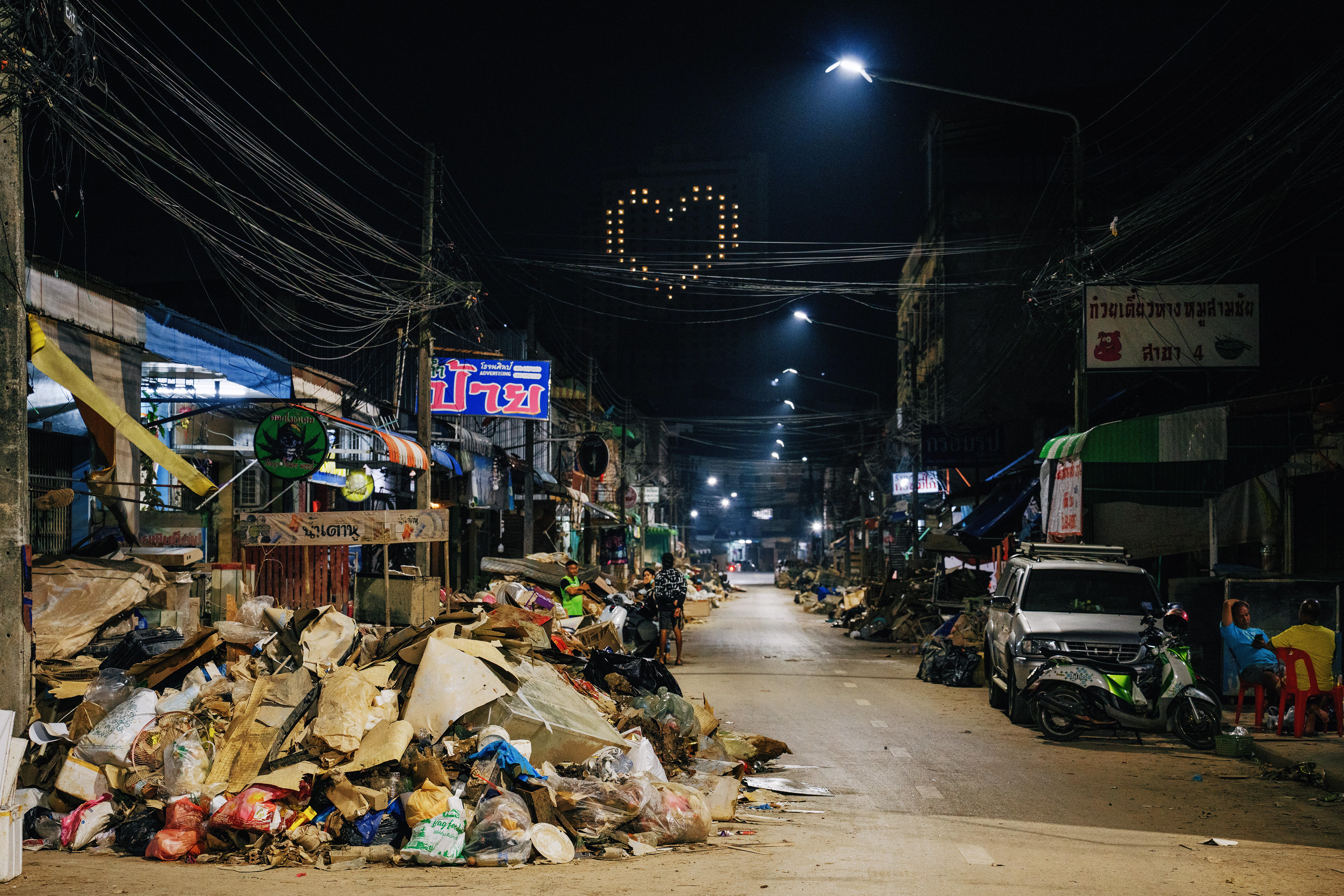
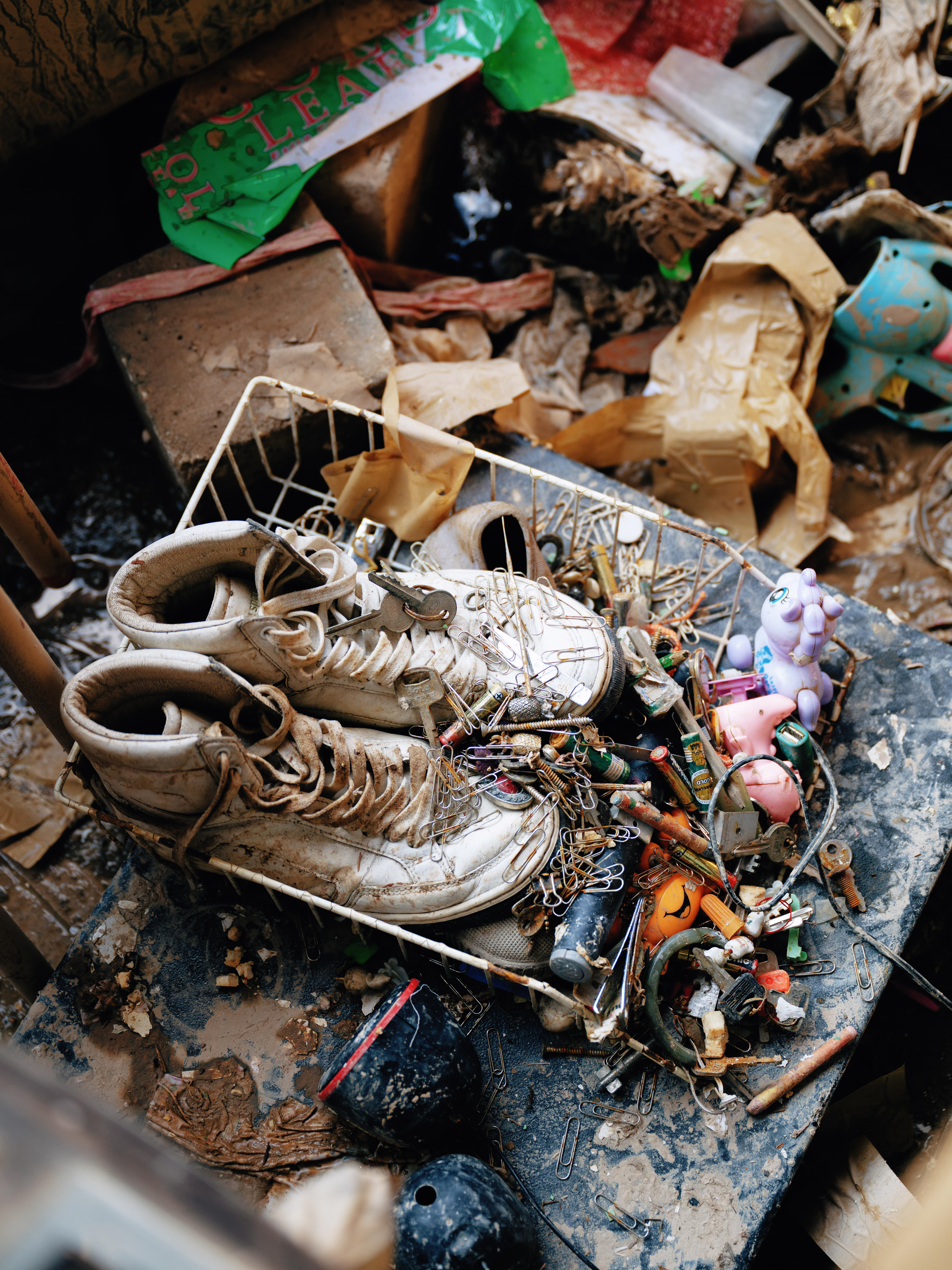
As soon as road access was restored, we travelled there to help with the cleanup. By the time we arrived, floodwaters in most areas had receded and the city-wide cleanup was already well under way. Even then, it still looked like a warzone. Entire streets were lined with mountains of debris. What first appeared as piles of rubbish slowly revealed themselves as soiled furniture, photographs, toys, and clothing — a culmination of a peoples whole lives swept out onto the pavement.
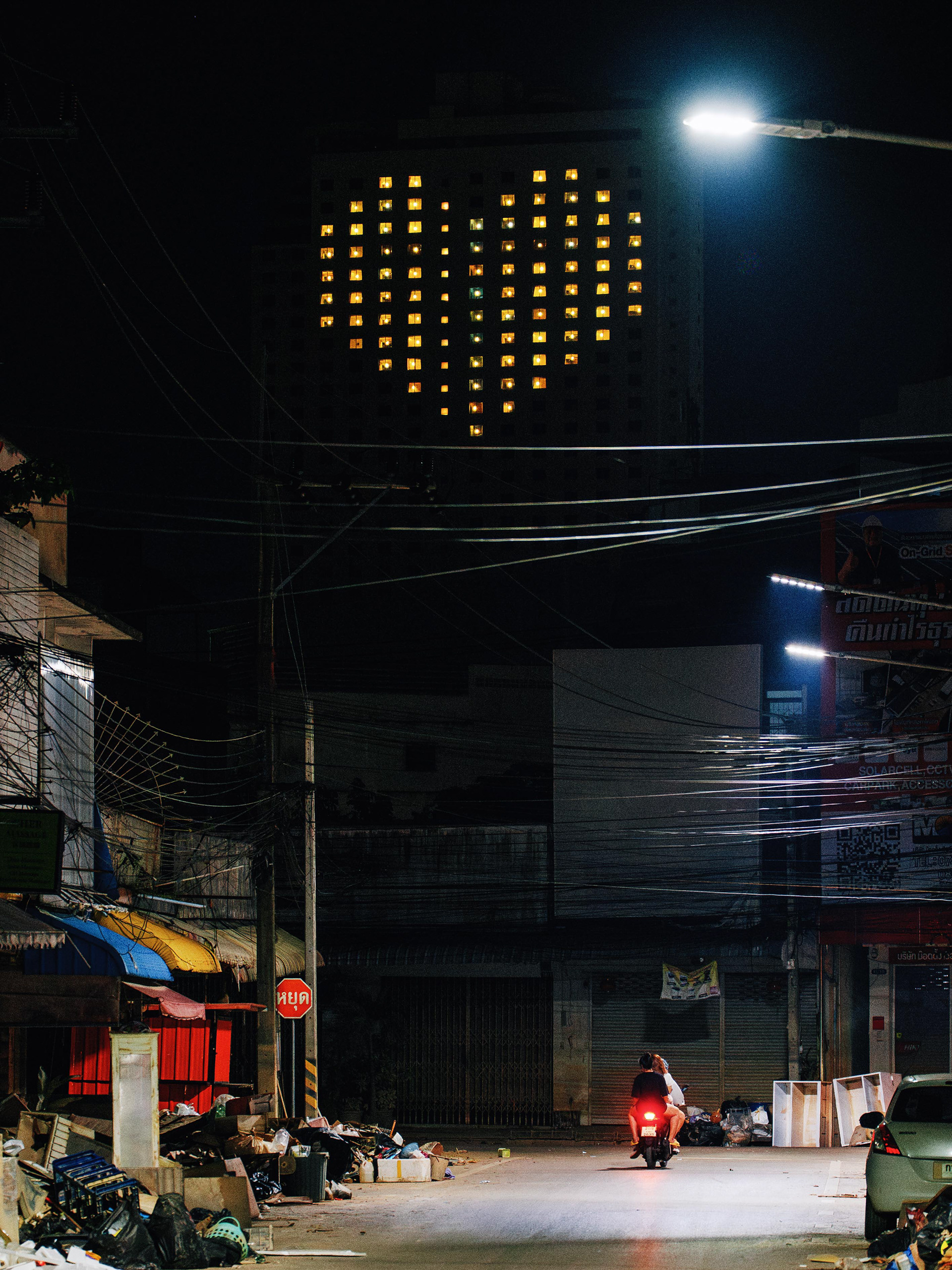
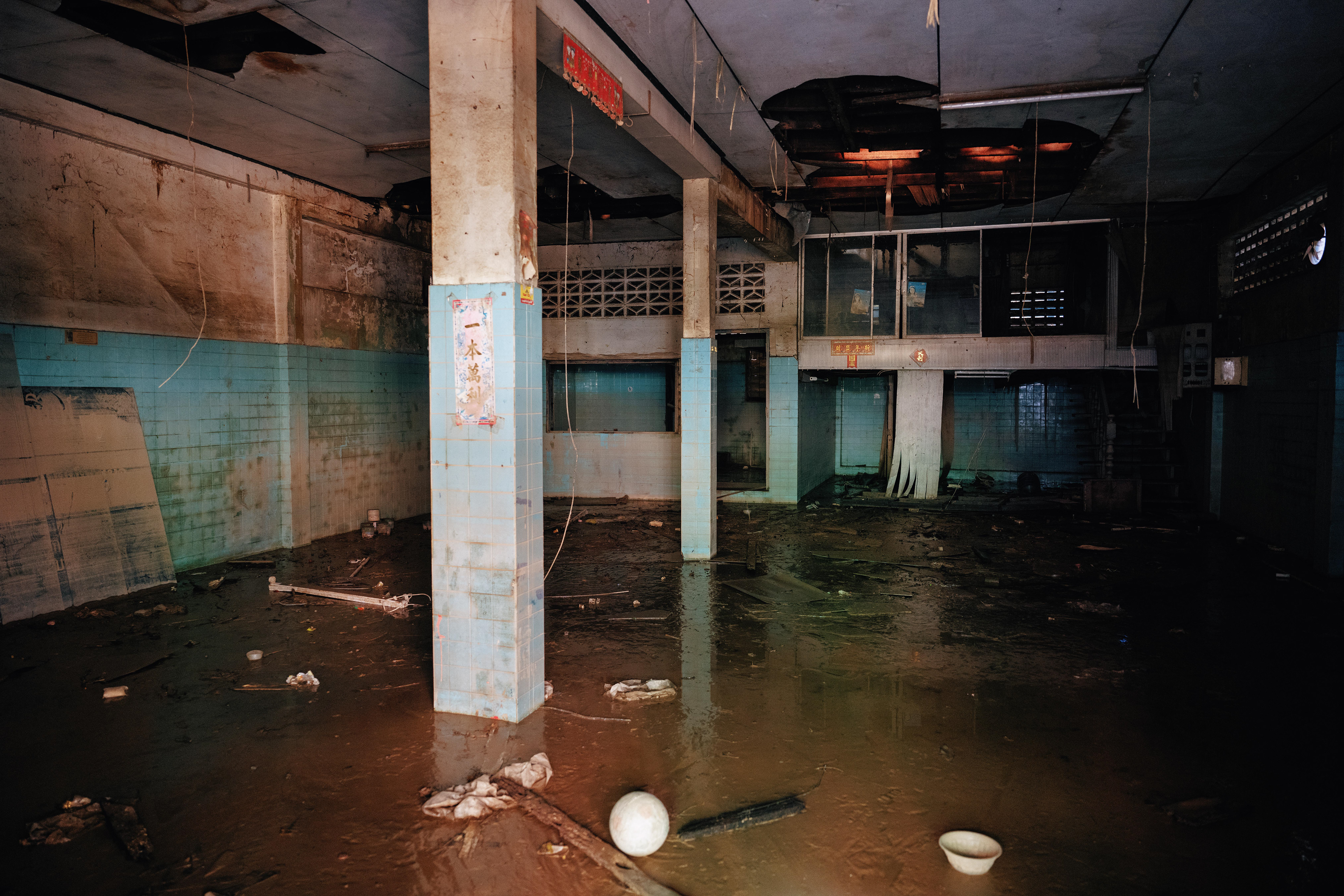
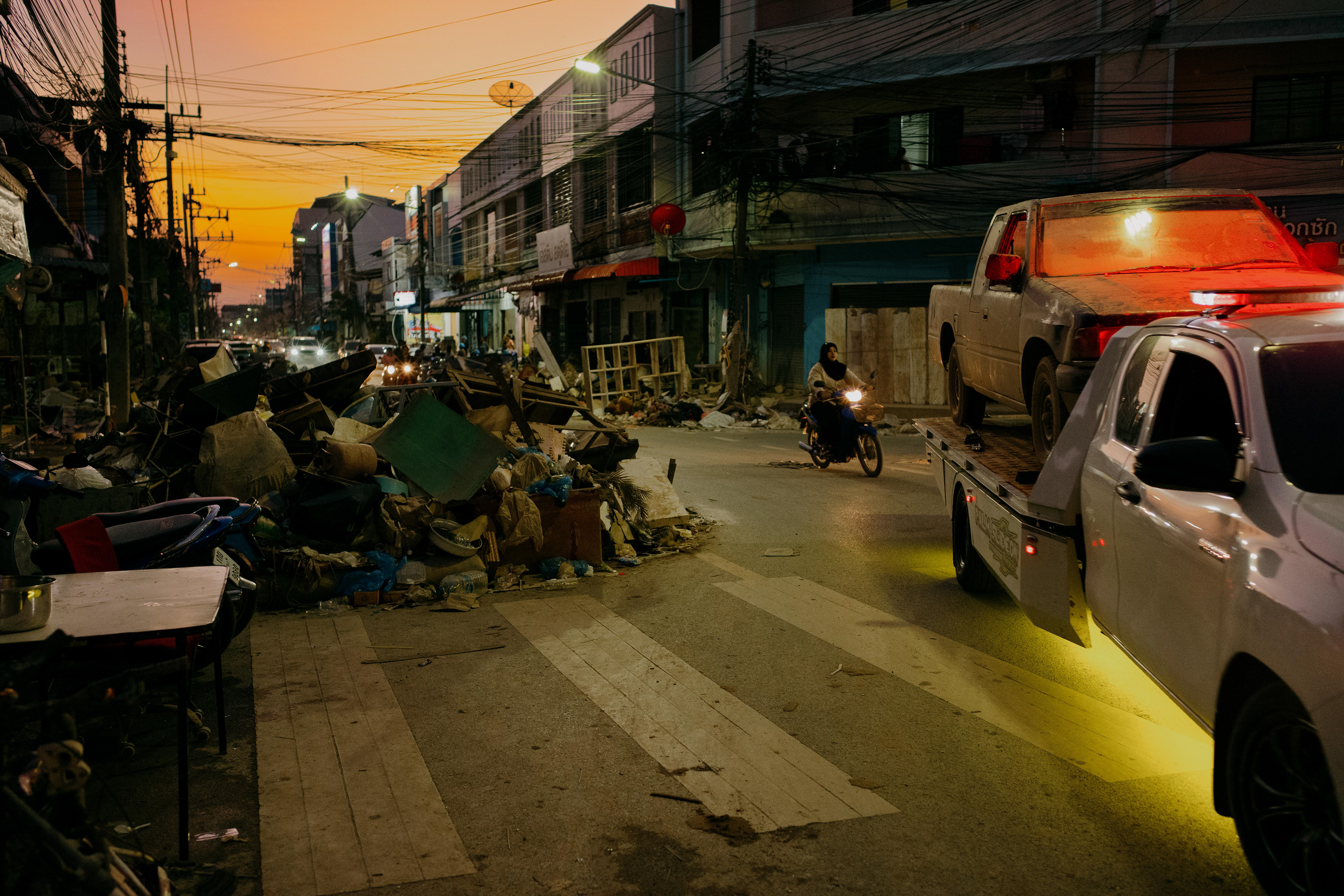
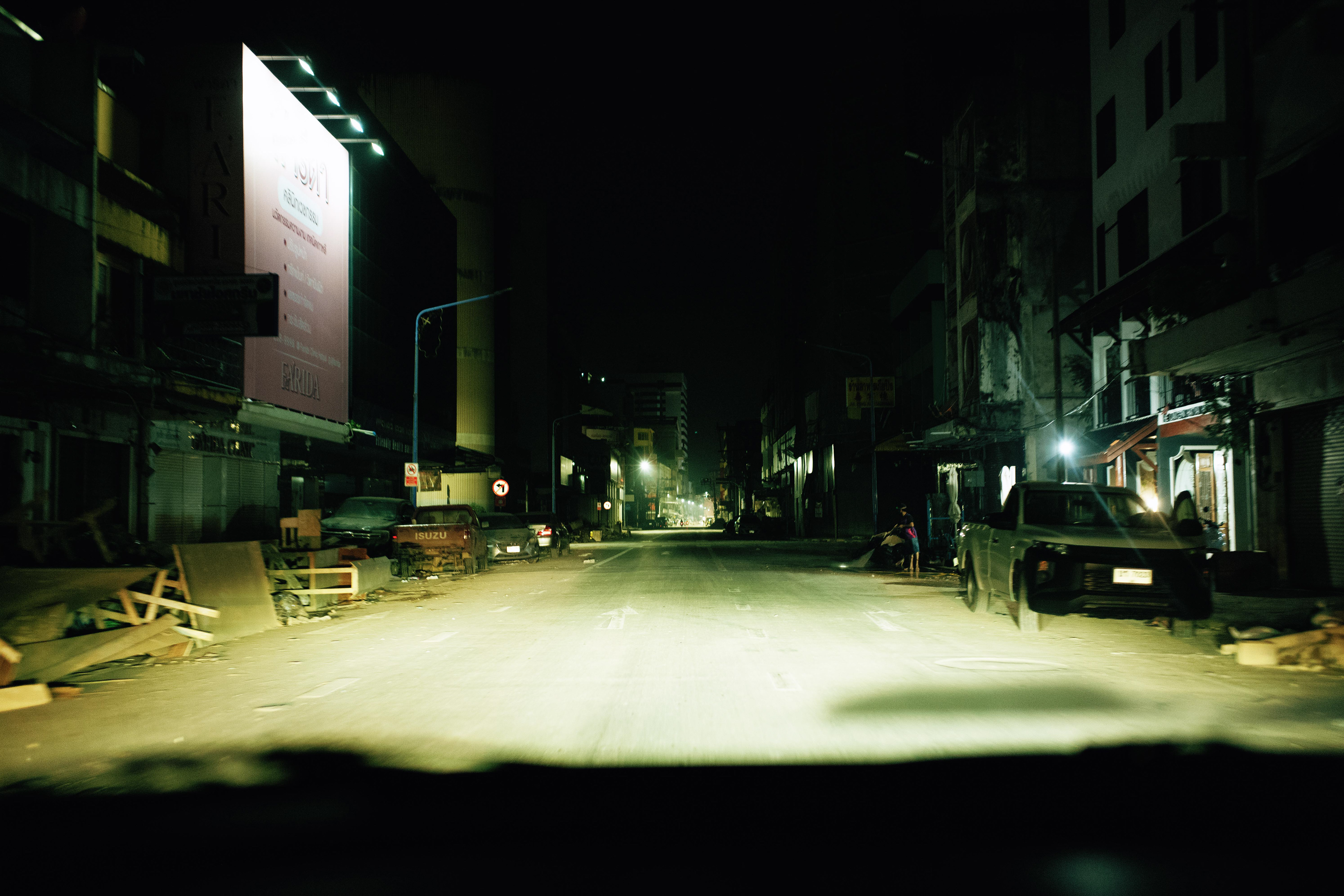
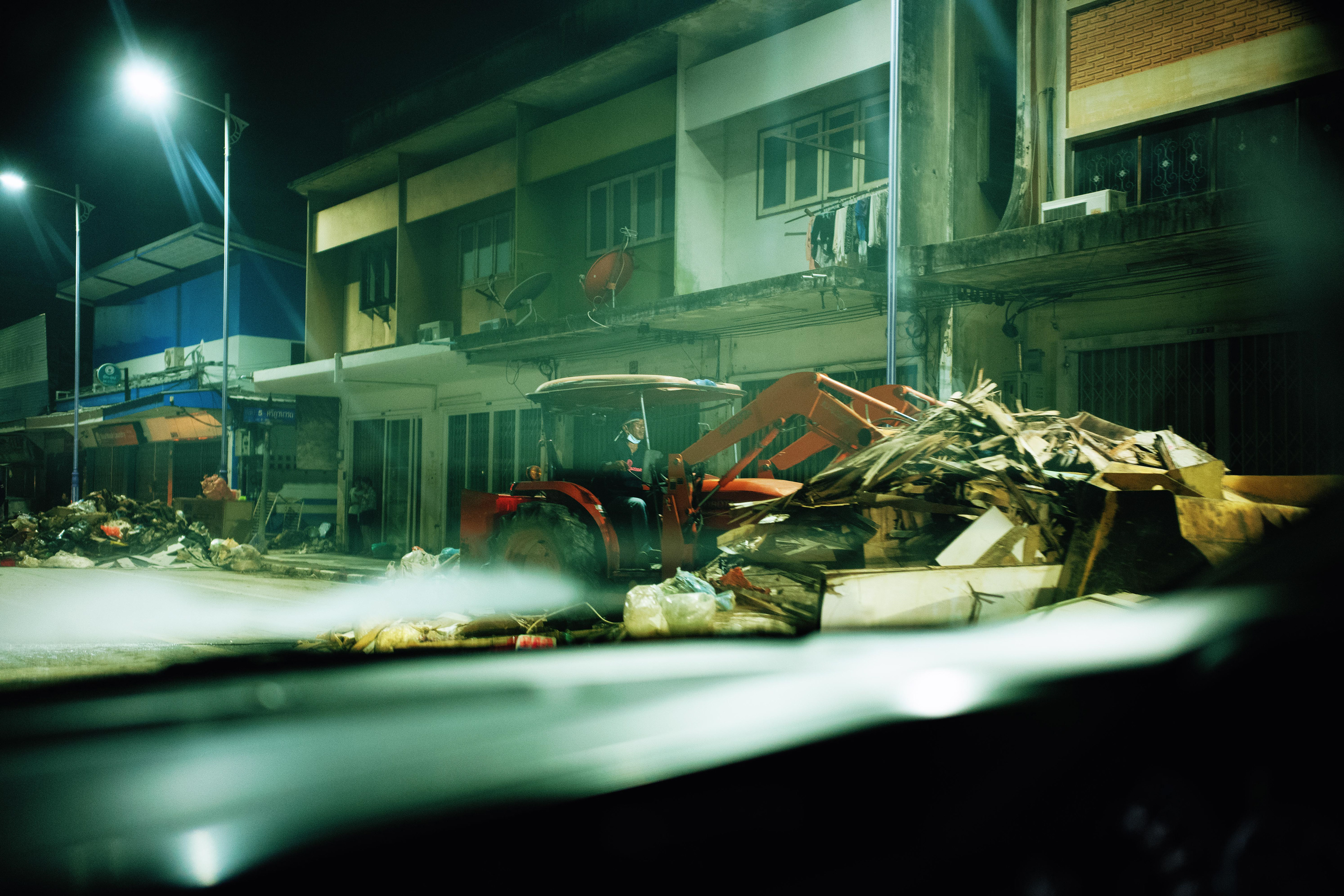
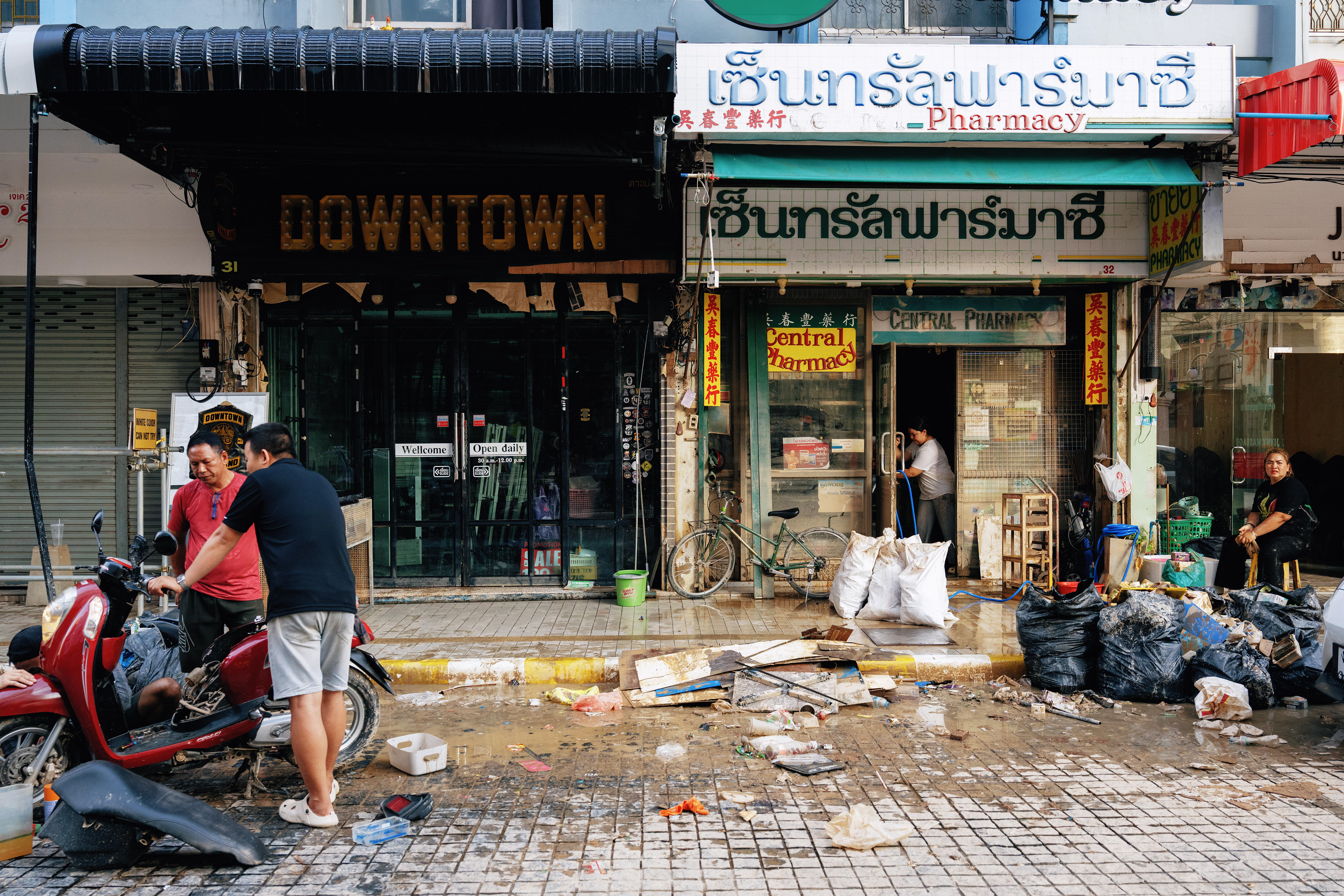
The destruction in the aftermath was difficult to comprehend. Most people imagine the disaster ends once the water goes down. In reality, that is when the real work begins. The smell lingered everywhere: mud mixed with sewage, damp walls, rotting wood, and stagnant water baked under the tropical heat. Large parts of the city remained without electricity. At night, Hat Yai was consumed by darkness - a heartbreaking contrast to the vibrant and illuminated city it’s known to be.
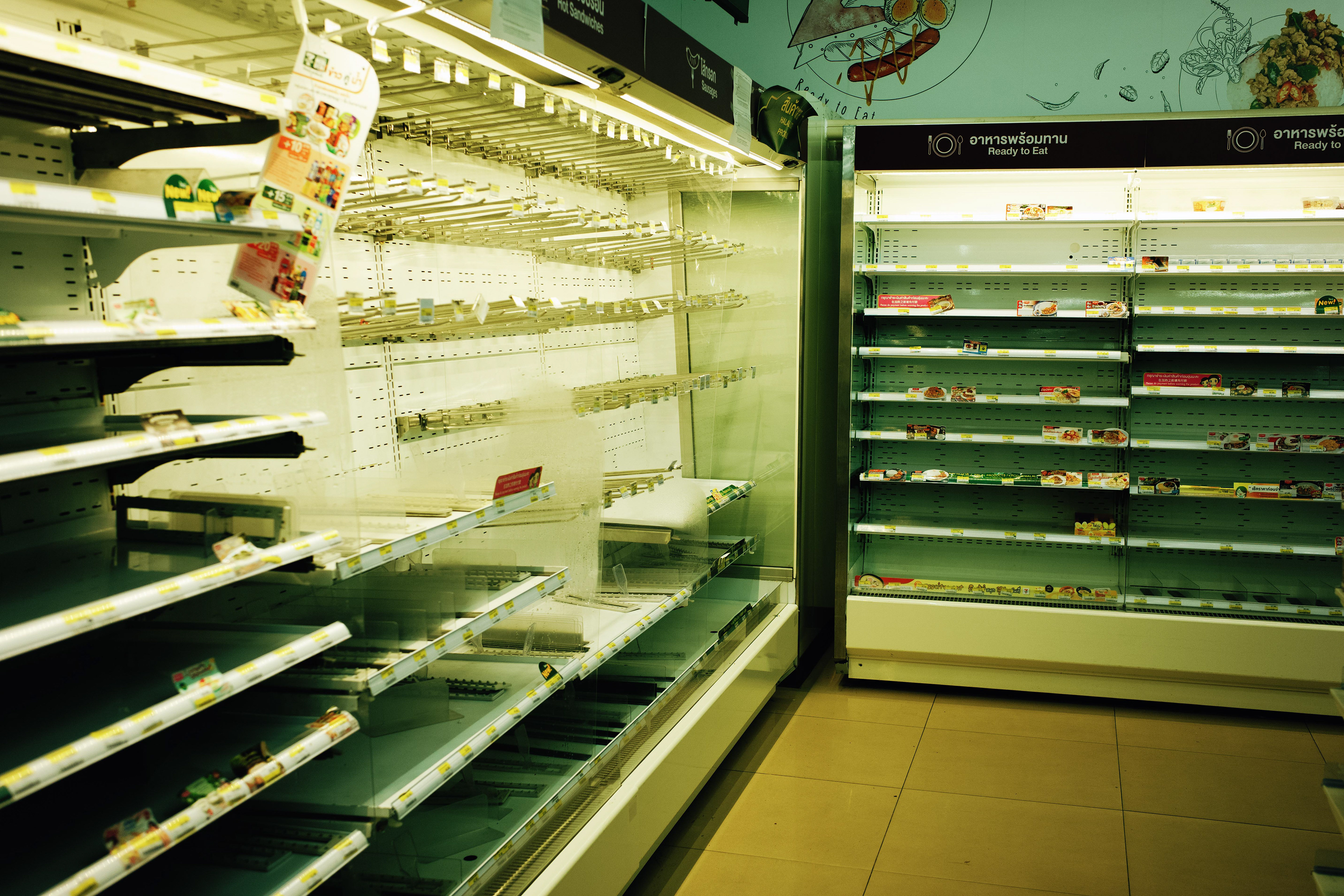
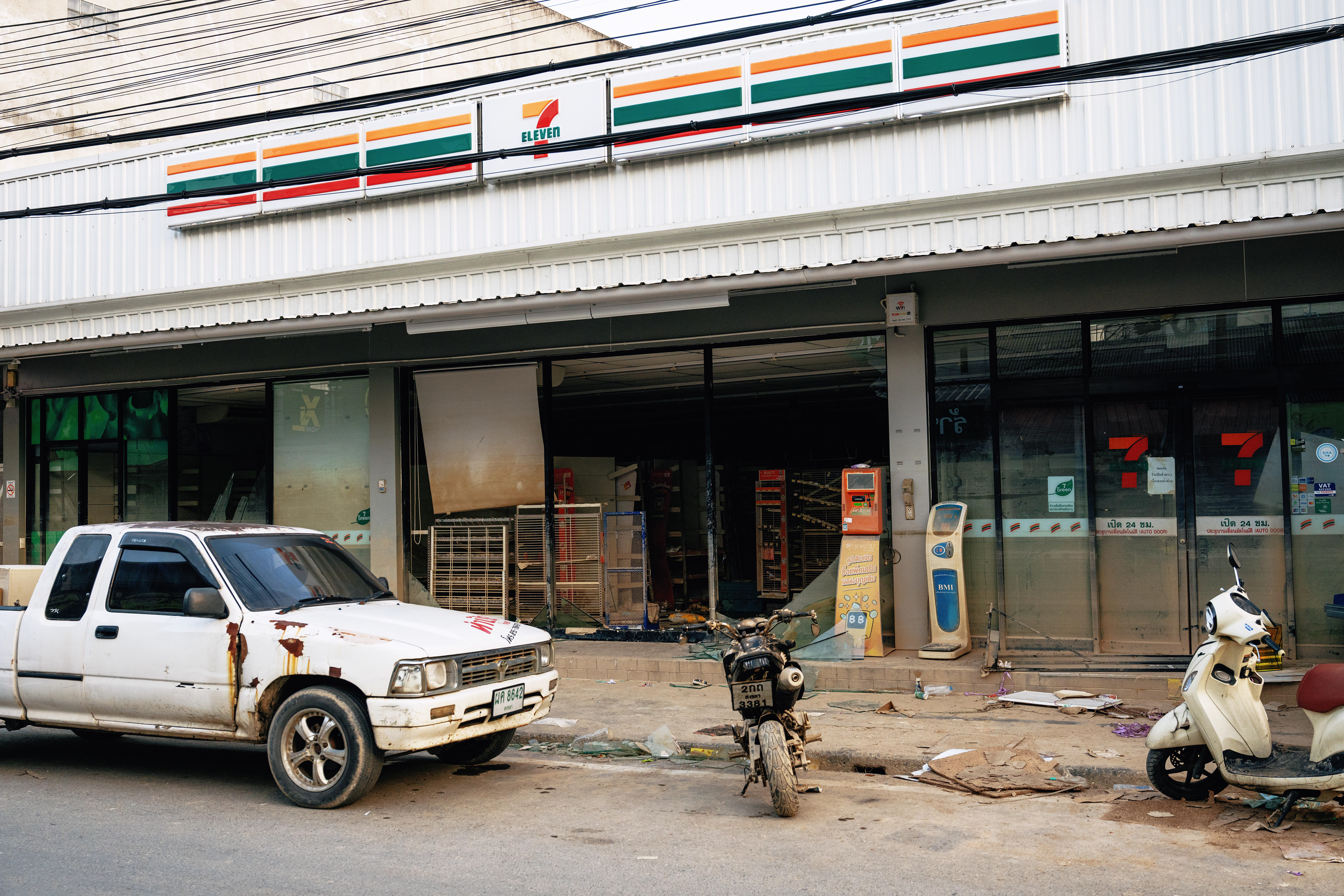
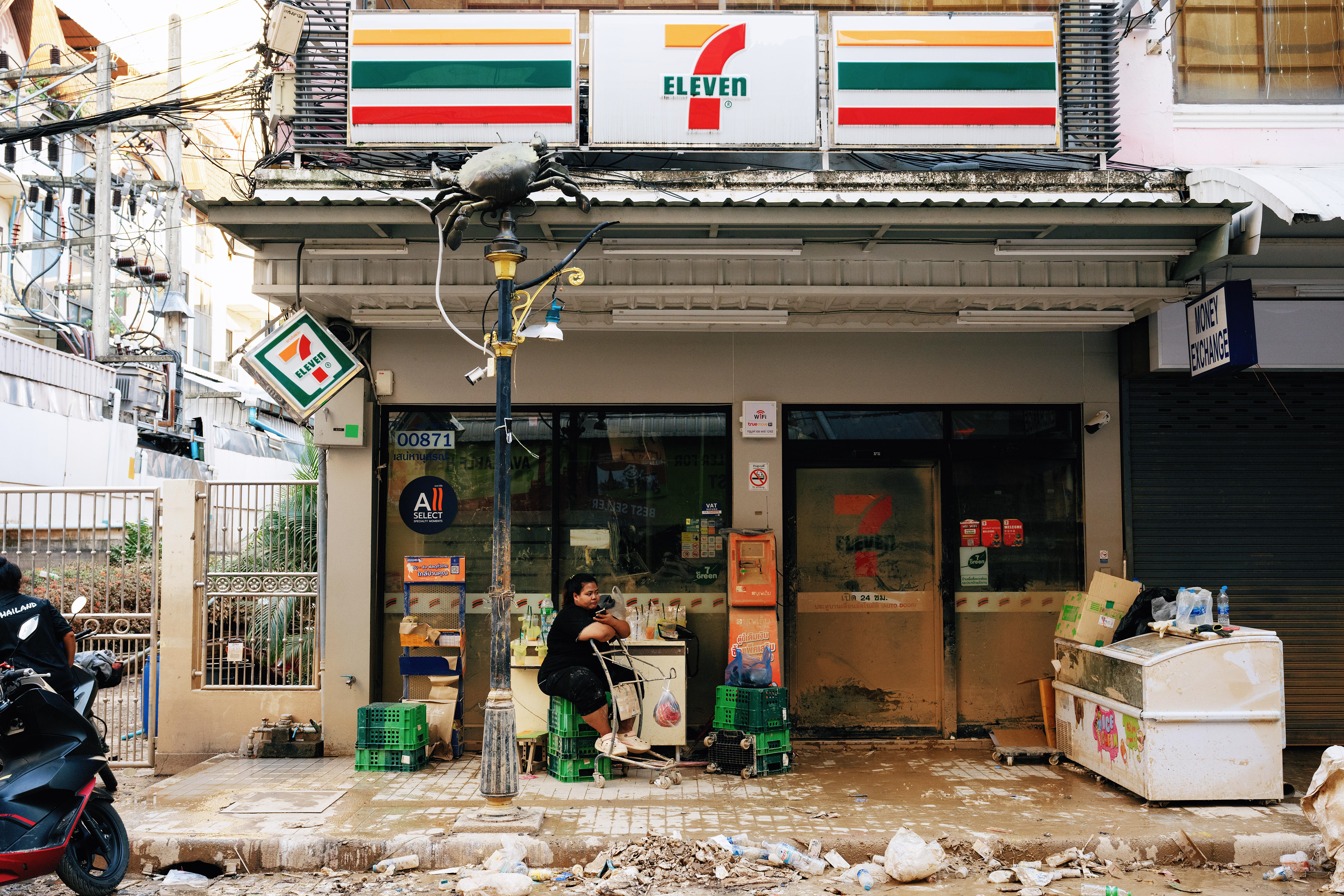
Food was scarce. Any place still serving food was overly packed with hours long wait times. The most striking image was seeing 7-Eleven shelves sitting almost empty. In Thailand, 7-Eleven is a pillar of society, with an average of 1 store every 167 meters. To see one stripped bare was a symbol of how deeply the floods had disrupted everyday life.
As soon as road access was restored, we travelled there to help with the cleanup. By the time we arrived, floodwaters in most areas had receded and the city-wide cleanup was already well under way. Even then, it still looked like a warzone. Entire streets were lined with mountains of debris. What first appeared as piles of rubbish slowly revealed themselves as soiled furniture, photographs, toys, and clothing — a culmination of a peoples whole lives swept out onto the pavement.
The destruction in the aftermath was difficult to comprehend. Most people imagine the disaster ends once the water goes down. In reality, that is when the real work begins. The smell lingered everywhere: mud mixed with sewage, damp walls, rotting wood, and stagnant water baked under the tropical heat. Large parts of the city remained without electricity. At night, Hat Yai was consumed by darkness - a heartbreaking contrast to the vibrant and illuminated city it’s known to be.
Food was scarce. Any place still serving food was overly packed with hours long wait times. The most striking image was seeing 7-Eleven shelves sitting almost empty. In Thailand, 7-Eleven is a pillar of society, with an average of 1 store every 167 meters. To see one stripped bare was a symbol of how deeply the floods had disrupted everyday life.
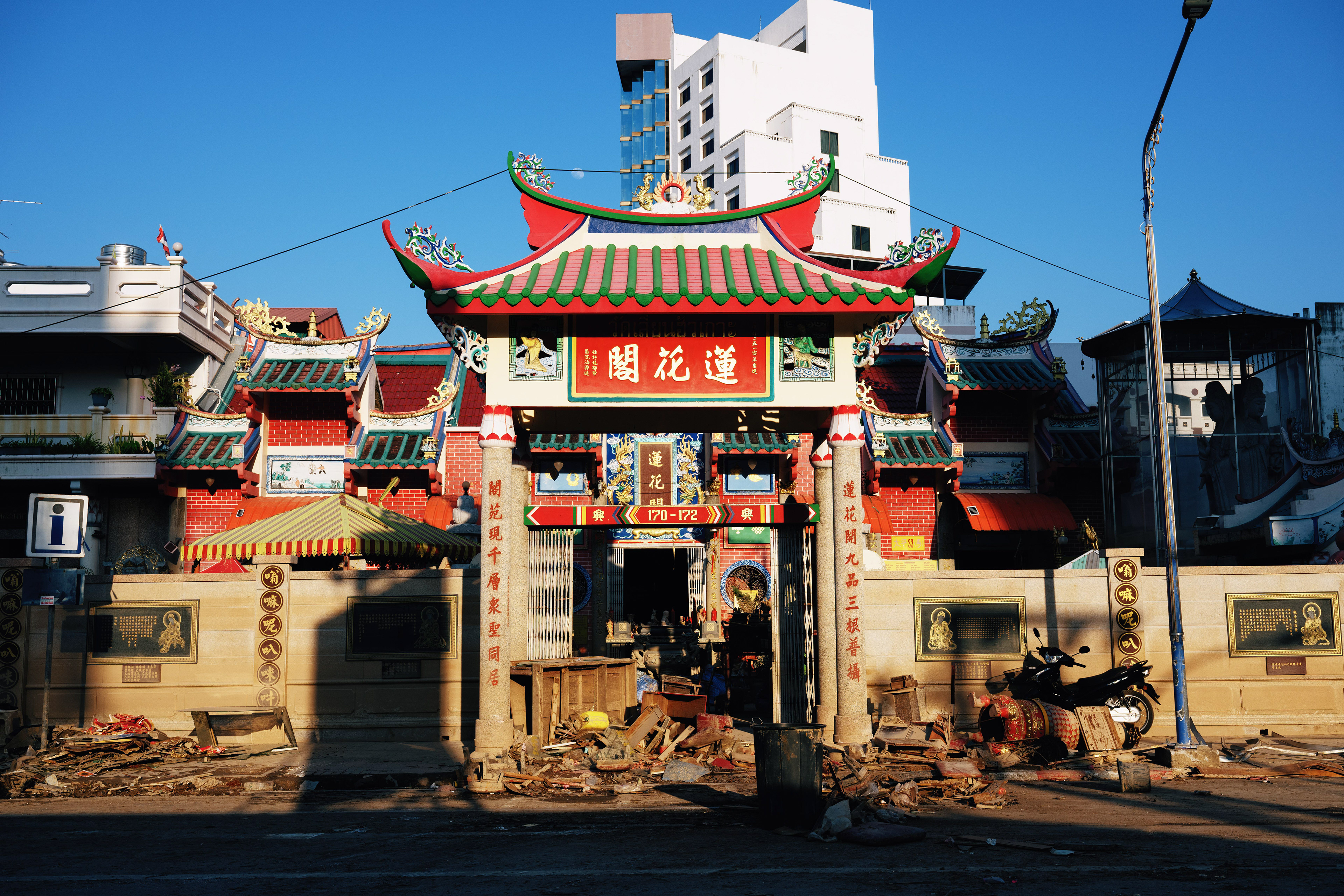
Yet what I remember most was not the destruction, but the resilience.
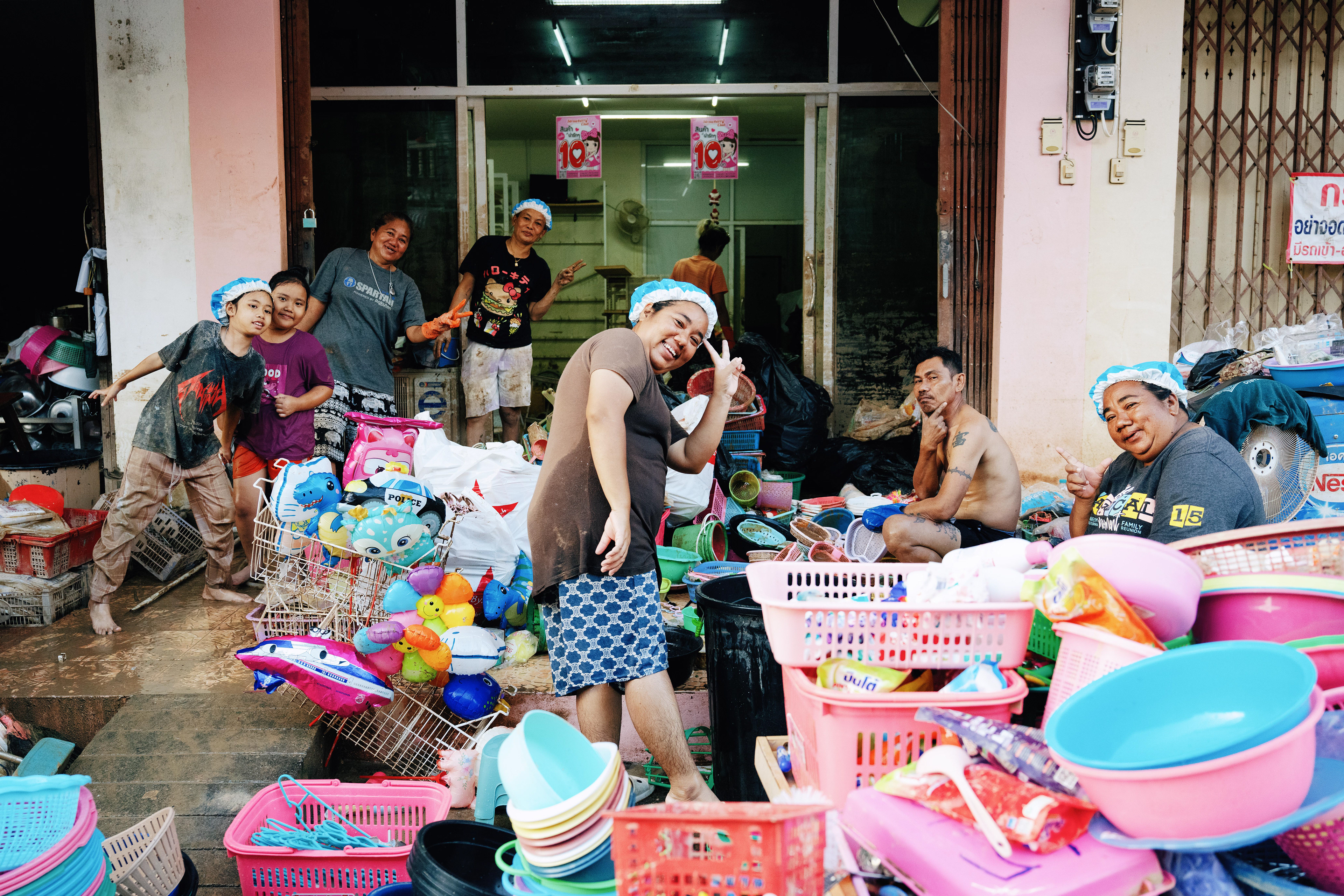
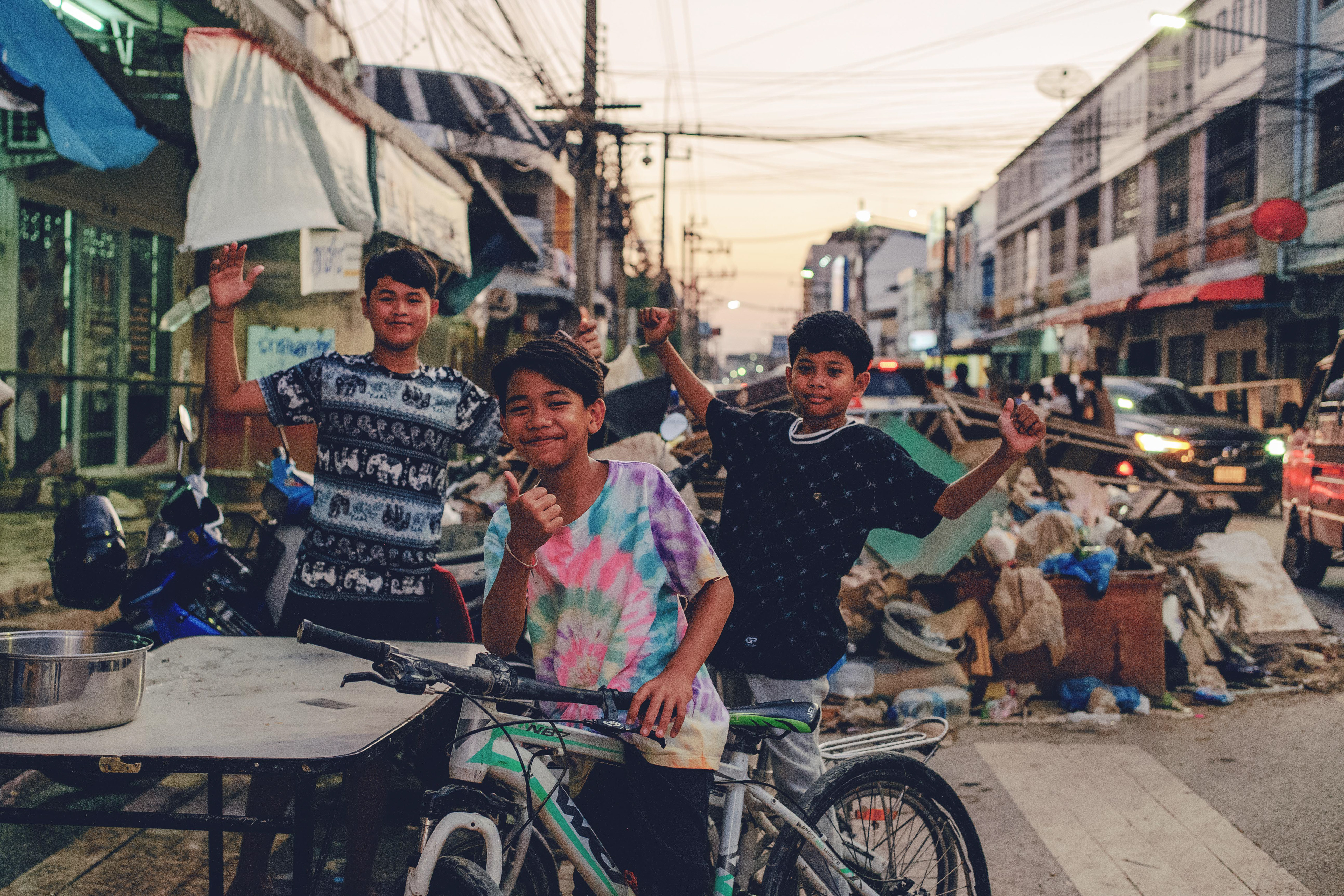
Everywhere I went, people scrubbed floors, shoveled mud, sorted through soaked belongings, and dragged ruined furniture out to the roadside. The sound of cleaning filled the city day and night — brushes scraping concrete, pressure washers humming, bulldozers pushing debris into endless lines of waiting trucks.
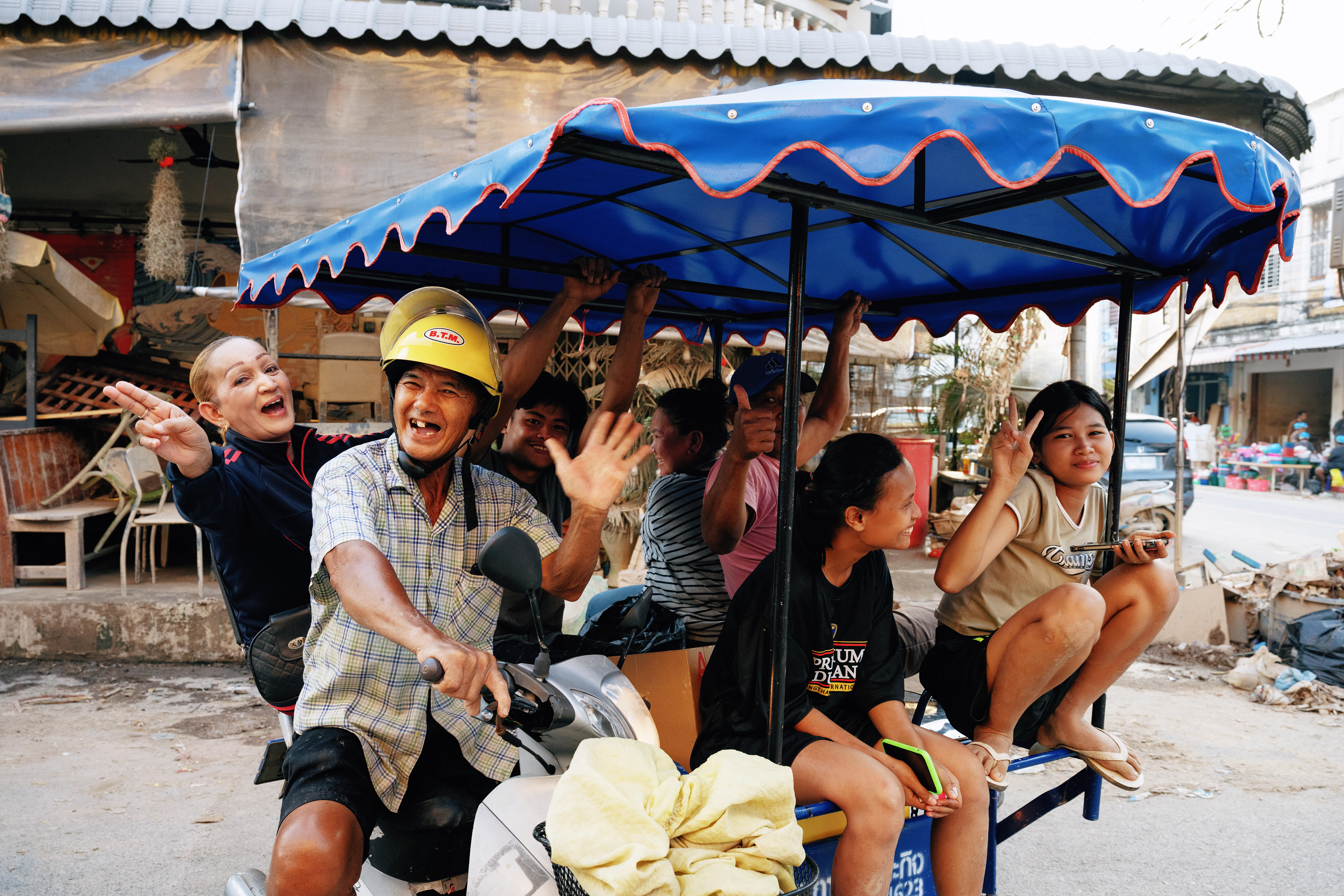
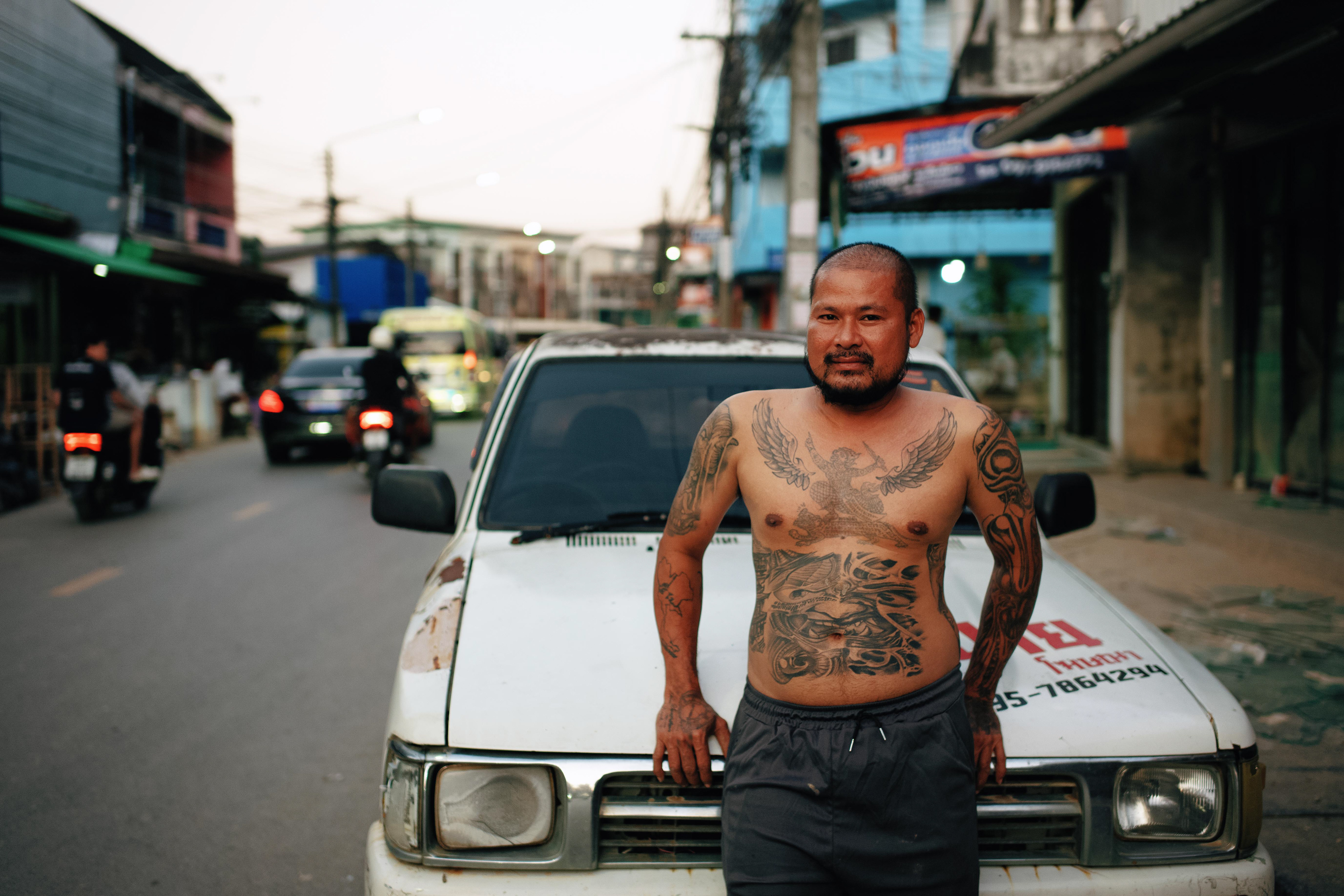
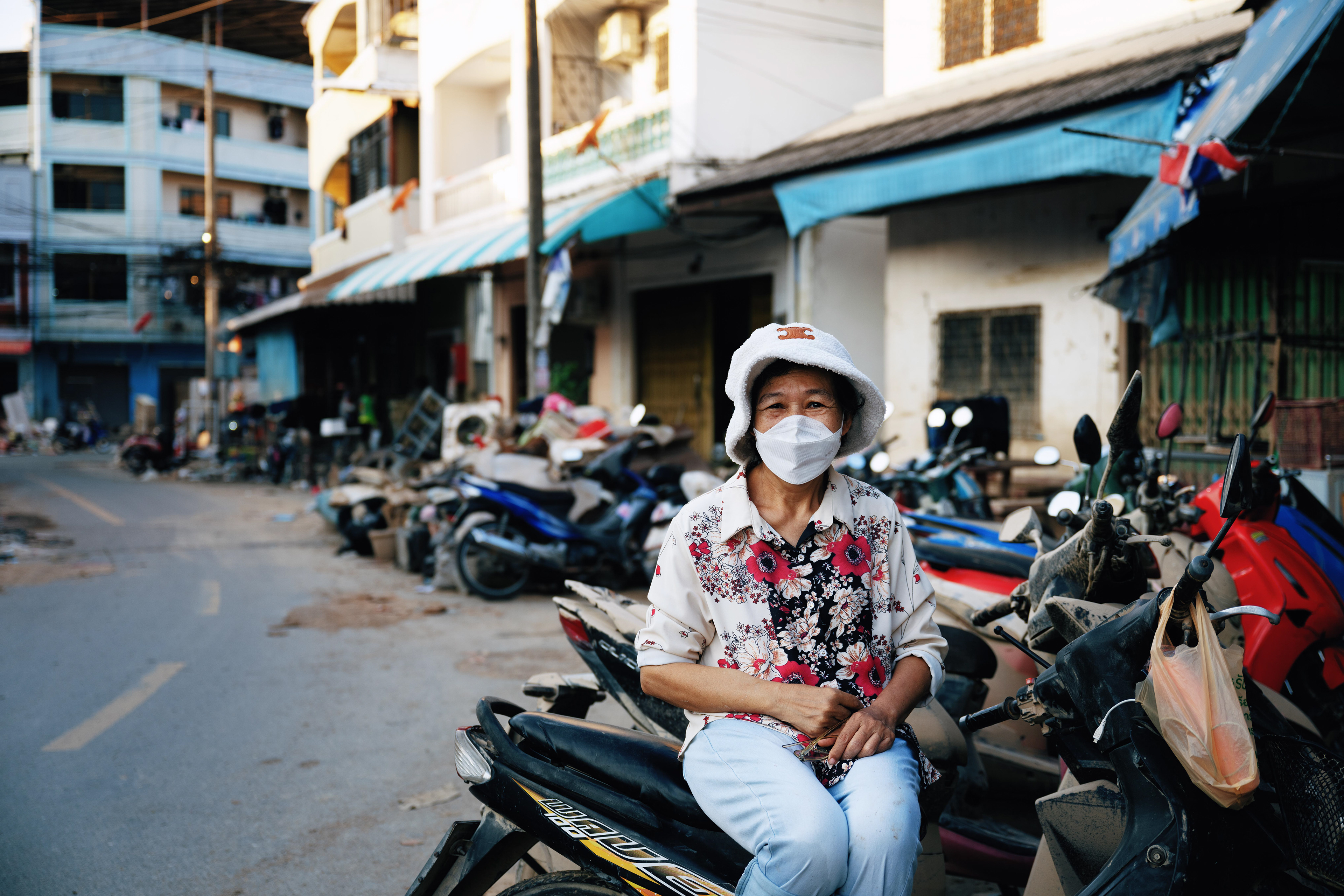
I was hesitant at first to photograph in the aftermath of such a tragedy. But nearly everyone I encountered still greeted me with warmth and smiles. Even amid such exhaustion and loss, the spirit of “Sabai Sabai” endured. There was grief, certainly, but also humor, generosity, and a determination to move forward together. What happened had happened, everyone now was just grateful that things could finally start going back to normal.
I was hesitant at first to photograph in the aftermath of such a tragedy. But nearly everyone I encountered still greeted me with warmth and smiles. Even amid such exhaustion and loss, the spirit of “Sabai Sabai” endured. There was grief, certainly, but also humor, generosity, and a determination to move forward together. What happened had happened, everyone now was just grateful that things could finally start going back to normal.
When I left, I had no idea how long all of this would take to rebuild. But upon returning three months later, much of the city had recovered so completely that it was difficult to imagine the scale of devastation that had existed there only so recently.
For the most part, everything seems to have returned to normal by now, but the pain still lingers in those whose lives were ruined, who can only suffer quietly with the heavy cost of rebuilding.
I never originally intended to share these photographs. I took them only as personal documentation, a way to remember what I had witnessed. But disasters fade quickly from public memory once headlines disappear and normalcy returns. I believe there is a responsibility in bearing witness, to record moments such as this honestly, so they are not forgotten.
For the most part, everything seems to have returned to normal by now, but the pain still lingers in those whose lives were ruined, who can only suffer quietly with the heavy cost of rebuilding.
I never originally intended to share these photographs. I took them only as personal documentation, a way to remember what I had witnessed. But disasters fade quickly from public memory once headlines disappear and normalcy returns. I believe there is a responsibility in bearing witness, to record moments such as this honestly, so they are not forgotten.